Gresham College provides outstanding educational talks and videos for the public free of charge. There are over 2,500 videos available on our website. Your support will help us to encourage people's love of learning for many years to come.
After Stalin’s death in 1953, successive leaders tried to find ways to revitalise the Soviet regime and rethink its promises to the Soviet people. Life within a system no longer based on terror and intense industrial transformation offered citizens strange alternatives.

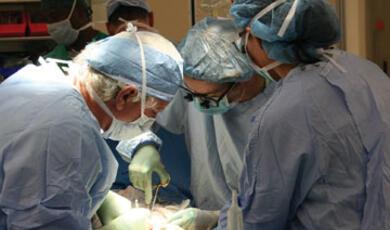
This week marks the 50th anniversary of the first human heart transplant. This talk will celebrate that achievement and consider what we have learned over those 50 years and what is to happen in the future.
The lecture will explore what we know (and don’t know) about sexual violence from a global perspective. How have people in different periods of history and in a variety of countries understood and responded to assaults?
Few people are lucky enough to save lives or change them for the better. Few also experience the horror of losing lives or worsening them. In this lecture I want to share some of the astonishing experiences of a paediatric heart surgeon.
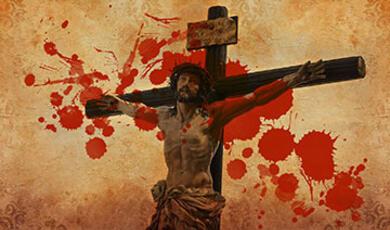
There is a tension between clinical teams and the families of devout Jehovah’s Witnesses. This lecture explores that tension, and considers how we might perform open-heart surgery without blood.
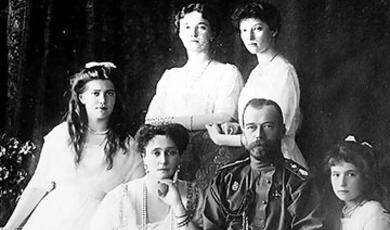
To mark the anniversary of the Russian Revolution, the dilemmas of modern empire and monarchy will be discussed, firstly in general terms and then specifically in terms of Russia.
A celebration of the heart for St Valentine’s Day. How is it that a simple pump has become a symbol of the highest human emotions of love, truth, conscience and moral courage? How have artists represented this? An interdisciplinary presentation.
Sudden death in the young is more common than you think... This lecture considers the causes of sudden death, its impact on families, the difficulties of carrying out research, and some of the legal and social obstacles to discovering more.
Doctors’ careers can be built on publication rates and citations. Medical journals prefer positive results. It is not surprising that scientific fraud occurs, sometimes causing catastrophic damage to innocent patients and others. what can be done?