Gresham College provides outstanding educational talks and videos for the public free of charge. There are over 2,500 videos available on our website. Your support will help us to encourage people's love of learning for many years to come.
An exploration of the concept of the 'good' doctor, and how we can ensure that our doctors are 'good'. This question is crucial at time when morale in the health services appears low and inquiries reveal poor practice by some health care professionals.
Few people are lucky enough to save lives or change them for the better. Few also experience the horror of losing lives or worsening them. In this lecture I want to share some of the astonishing experiences of a paediatric heart surgeon.
Personal information is understood as the property of individuals, but this way of thinking about information raises questions about the ethics of information sharing, particularly in relation to medical research and the management of risk in healthcare.
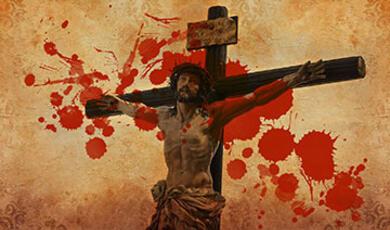
There is a tension between clinical teams and the families of devout Jehovah’s Witnesses. This lecture explores that tension, and considers how we might perform open-heart surgery without blood.
A celebration of the heart for St Valentine’s Day. How is it that a simple pump has become a symbol of the highest human emotions of love, truth, conscience and moral courage? How have artists represented this? An interdisciplinary presentation.
A review of developments in moral psychology over the last two decades, specifically the neuroscience of moral decision-making, and the implications of this research for ethical issues such as moral responsibility. Particularly focus will be given to the capacity to make unwise decisions...

Sudden death in the young is more common than you think... This lecture considers the causes of sudden death, its impact on families, the difficulties of carrying out research, and some of the legal and social obstacles to discovering more.
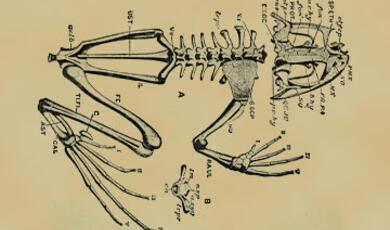
A discussion of the nature of consciousness founded in startling 1853 experiments on living, decapitated frogs. The debate brought in the greatest minds of the age and is still with us today.
Doctors’ careers can be built on publication rates and citations. Medical journals prefer positive results. It is not surprising that scientific fraud occurs, sometimes causing catastrophic damage to innocent patients and others. what can be done?
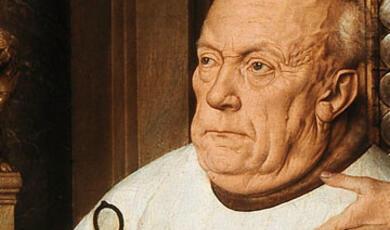
Examples of disease as shown in artworks will be examined, from the medical and surgical point of view as well as the historical and artistic ones, particularly visual loss as portrayed by artists from pre-historic times.