Gresham College provides outstanding educational talks and videos for the public free of charge. There are over 2,500 videos available on our website. Your support will help us to encourage people's love of learning for many years to come.
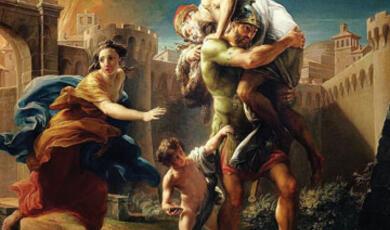
Homer’s Iliad, the earliest Greek poem, narrates the archetypal war between ‘Europeans’ and ‘Asiatics’ divided by the Hellespont. Looking at Wolfgang Peterson’s blockbuster Troy (2004), the lecture describes the genesis of the Iliad between the Mycenaean Late Bronze Age and the 8th centu
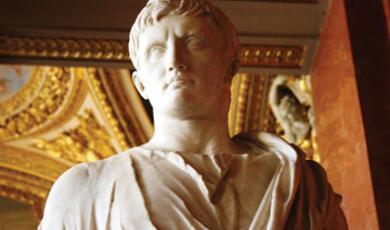
Mary Beard, Professor of Classics at the Univeristy of Cambridge, Fellow of Newnham College, and Royal Academy of Arts Professor of Ancient Literature - who is also well-known for her media appearances - will speak on the fascinating topic of images of Roman Emperors.
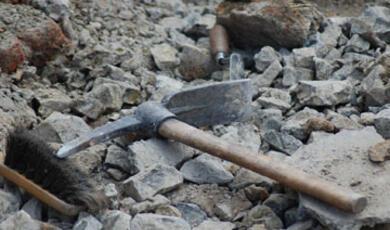
Excavations have recently uncovered much evidence of Roman London, including fragments of 405 waxed stylus writing-tablets that can be dated to AD 50-90. Roger Tomlin explains how he deciphered the tablets and what can be learned from them.
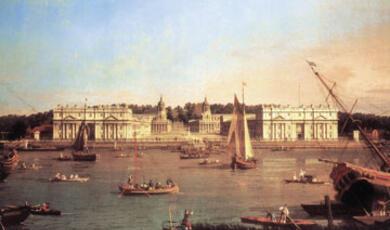
Roman London was founded on the banks of the Thames to take advantage of the tidal river for traffic trade and communications. But precisely where were the bridge and the harbour, and what did they look like?
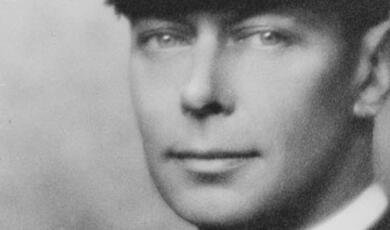
George VI was the unexpected king. His human qualities reinforced the spirit of social solidarity which helped Britain to victory in war and recovery in peace.
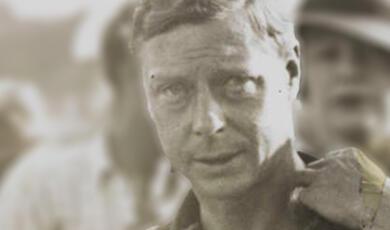
Edward VIII reigned for just 325 days. The history of his reign is in large part the history of the abdication. However, as Prince of Wales, Edward had been the first heir to the throne to find a genuine role for himself, as a spokesmen for the ex-service generation.

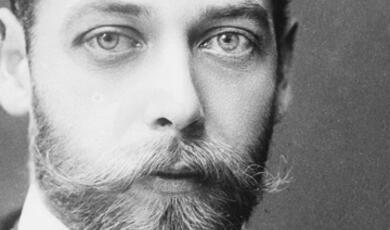
George V’s reign coincided with the fall from power of five emperors, eight kings and eighteen other dynasties. But in Britain the monarchy gained in popular esteem and this helped to preserve parliamentary government in the difficult years between the wars.