Gresham College provides outstanding educational talks and videos for the public free of charge. There are over 2,500 videos available on our website. Your support will help us to encourage people's love of learning for many years to come.
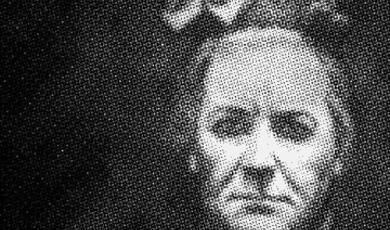
Amelia Dyer was one of the most prolific murderers in Victorian Britain. She made a living as a “baby farmer”, or someone paid to care for unwanted or abandoned infants – except she killed around 400 of them. How could a mother and nurse murder so many defenceless babies?
The Brothers Grimm’s tale of Snow White has been retold dozens of times in print and the cinema over the past two centuries. A central character is the Evil Queen, Snow White’s malevolent stepmother, who tries to kill her with the help of the occult.
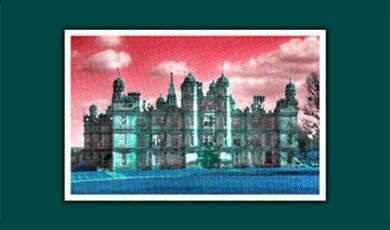
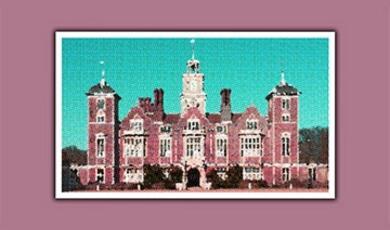
Father and son, William and Robert Cecil, not only dominated politics for much of Elizabeth I and James I reign but dominated architectural fashion. Building a series of spectacular houses, they, and not the monarchy, were the great palace builders of their age.

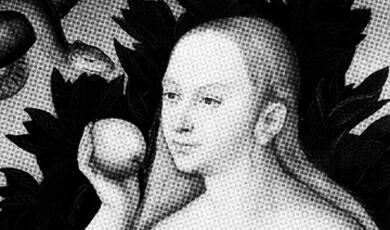
Eve was the original Evil Woman. She was tempted by Satan, introducing sin into the world. In turn, she seduced Adam, bringing the wrath of the Creator upon humanity for all eternity.
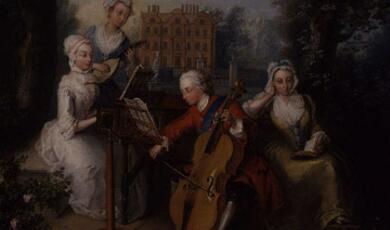
A family best known for producing one of England’s most famous queen consorts started out owning substantial estates in Norfolk before buying, and inheriting, a series of major houses close to London.
Is gender equality a key factor in tackling climate change? Many think so, and in this lecture Environment Professor Jacqueline McGlade will explain why in relation to UN Sustainable Development Goal 5 is to 'achieve gender equality and empower all women and girls'.
In 2018 the Bar Council and Specialist Bar Associations acknowledged the issue and a “Retention of Women at the Bar’ survey was launched. It’s time to look at the results and test how the legal profession has responded to the challenge.
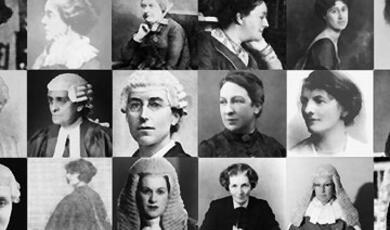
2019 marks 100 years since the Sex Disqualification (Removal) Act 1919 when a woman was recognised as a ‘person’ in law. This groundbreaking Act enabled women to be awarded university degrees and to enter professions such as law and medicine from which they had been barred.
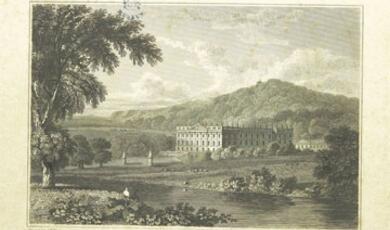
The changing balance of power and wealth between the aristocracy and the monarchy from the sixteenth to the nineteenth century has fundamentally influenced today’s national cultural landscape of art and architecture.
This lecture questions this view and shows how, from the sixteenth century, aristocratic families deployed their collections and commissioned their buildings in both town and country in order to further their political and dynastic ambitions.