Gresham College provides outstanding educational talks and videos for the public free of charge. There are over 2,500 videos available on our website. Your support will help us to encourage people's love of learning for many years to come.
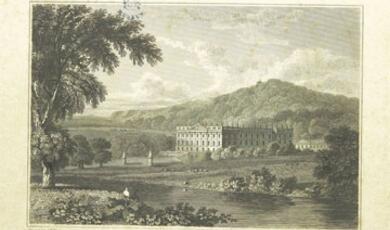
Due to the Duke of Marlborough‘s military genius and the crush that Queen Anne had on his wife, the duchess, the Marlboroughs were presented with two of the greatest houses of the age.
Charles II‘s illegitimate son, the Duke of Monmouth, became one of the most influential and powerful men at the Restoration court. He married a Scottish heiress, Anne Scott, and together they became leaders of fashion and taste.
China’s media provide a window into the Chinese mind, as the country asserts itself in the world as a great power. What do Chinese people think is the purpose of life? What matters most to them? In what do they believe? How do officials and journalists explain their responsibilities?
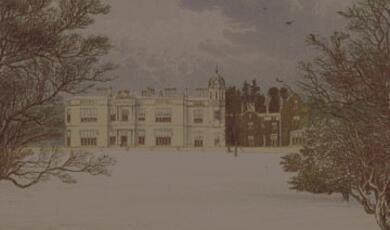
Father and son, William and Robert Cecil, not only dominated politics for much of Elizabeth I and James I reign but dominated architectural fashion. Building a series of spectacular houses, they, and not the monarchy, were the great palace builders of their age.
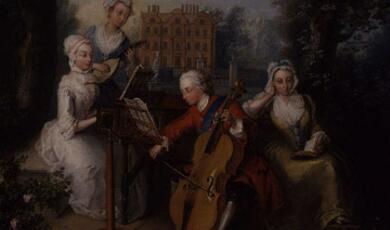
A family best known for producing one of England’s most famous queen consorts started out owning substantial estates in Norfolk before buying, and inheriting, a series of major houses close to London.
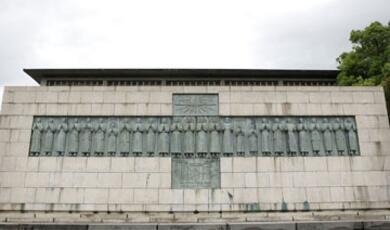
In the age of exploration, Catholic missionaries fanned out across the world, meeting with extraordinary success but also extraordinary opposition: nowhere more so than in Japan, where the fast-growing Catholic community was brutally suppressed in the early seventeenth century.

This lecture reports on the findings of "The Independent Tribunal into Forced Organ Harvesting from Prisoners of Conscience in China" (June 2019), which examined reports of state-sponsored murder for the harvesting and sale of organs.
The changing balance of power and wealth between the aristocracy and the monarchy from the sixteenth to the nineteenth century has fundamentally influenced today’s national cultural landscape of art and architecture.
This lecture questions this view and shows how, from the sixteenth century, aristocratic families deployed their collections and commissioned their buildings in both town and country in order to further their political and dynastic ambitions.
An integral part of the tumultuous political events of the century was the cultural ambition of the principal players who form the subject of this lecture.