Gresham College provides outstanding educational talks and videos for the public free of charge. There are over 2,500 videos available on our website. Your support will help us to encourage people's love of learning for many years to come.
Due to the Duke of Marlborough‘s military genius and the crush that Queen Anne had on his wife, the duchess, the Marlboroughs were presented with two of the greatest houses of the age.
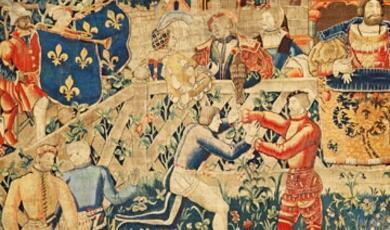
Were the Crusades an early example of European colonialism? What value did the crusading frontier hold for the knights who fought to defend it? What was the relationship between the Crusades and the knightly culture of chivalry?
Charles II‘s illegitimate son, the Duke of Monmouth, became one of the most influential and powerful men at the Restoration court. He married a Scottish heiress, Anne Scott, and together they became leaders of fashion and taste.
Father and son, William and Robert Cecil, not only dominated politics for much of Elizabeth I and James I reign but dominated architectural fashion. Building a series of spectacular houses, they, and not the monarchy, were the great palace builders of their age.

From The Merchant of Venice to The Taming of the Shrew, it’s easy to see how Shakespeare’s plays can cause offence to contemporary audiences. Is it harder to teach Shakespeare today than in the past? Have ideas about what is offensive in Shakespeare changed over time?
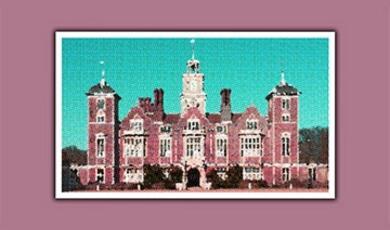
A family best known for producing one of England’s most famous queen consorts started out owning substantial estates in Norfolk before buying, and inheriting, a series of major houses close to London.
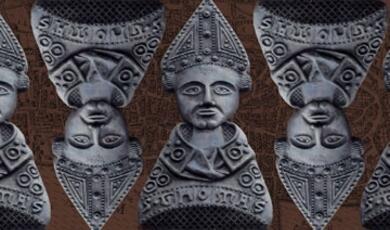
This lecture will explore how the influence of Thomas Becket permeated city life in medieval London until Henry VIII ordered the destruction of his shrine and the removal of his name from all liturgical books.
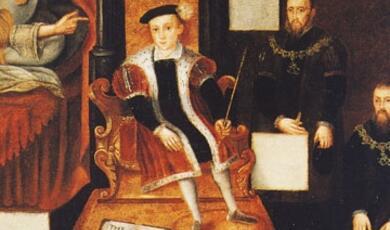
Medieval England was proudly Catholic and ostentatiously loyal to Rome. But from the late sixteenth century until recent times – and even now – anti-Catholic prejudice has been a cornerstone of English and British identity.
The changing balance of power and wealth between the aristocracy and the monarchy from the sixteenth to the nineteenth century has fundamentally influenced today’s national cultural landscape of art and architecture.