Gresham College provides outstanding educational talks and videos for the public free of charge. There are over 2,500 videos available on our website. Your support will help us to encourage people's love of learning for many years to come.
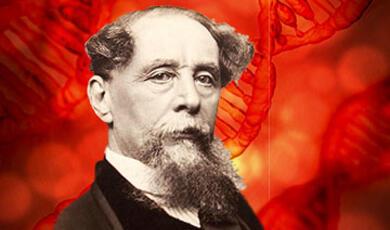
Charles Dickens's expert eye for detail enabled him to describe many medical conditions in his writings. Dickens also suffered with a number of medical conditions which will be discussed in detail during the lecture.
Using DNA and gene-based therapy to treat human diseases may sound like science-fiction, but there are already several gene therapies in use today. This lecture will describe what gene therapy is all about, the recent advancements in the field and what the future holds for gene therapies.

Few people are lucky enough to save lives or change them for the better. Few also experience the horror of losing lives or worsening them. In this lecture I want to share some of the astonishing experiences of a paediatric heart surgeon.
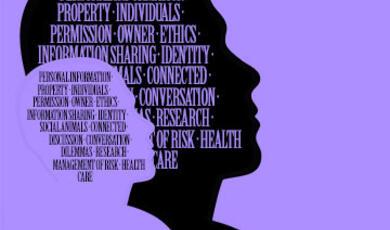
Personal information is understood as the property of individuals, but this way of thinking about information raises questions about the ethics of information sharing, particularly in relation to medical research and the management of risk in healthcare.
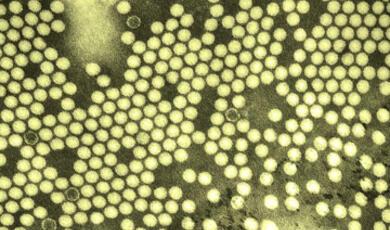
Eradicating an infectious disease for all time is one of the greatest gifts a generation can give to all subsequent ones. This lecture will examine the opportunities and difficulties of eradication.
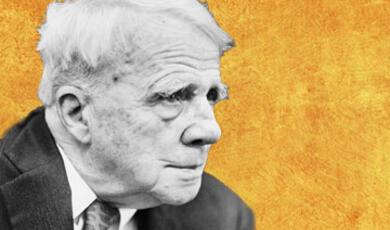
Frost's line, 'I found a dimpled spider... holding up a moth like a white piece of rigid satin cloth' exploits simile... But how can a moth be like cloth? -This is one of a number of examples that will be explored with a view to refining our understanding of smilie.
In 2007, a team of doctors and scientists ascended to the roof of the world to understand more about how we adapt to high altitude - and why some of us adapt better than others. Uncovered is 15 years of research aiming to understand how humans adapt to low oxygen levels when critically ill.
There is a tension between clinical teams and the families of devout Jehovah’s Witnesses. This lecture explores that tension, and considers how we might perform open-heart surgery without blood.
There was a time when old places were valued simply for their beauty and interest, but now this is not enough. Are calculations of the financial contribution of our history adding to the value of our heritage or have they fundamentally devalued it?
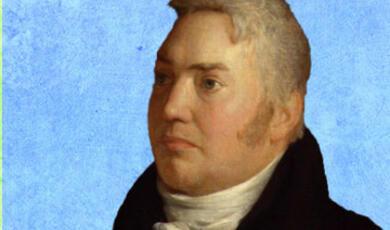
In the line, 'The Western wave was aflame', the 'Western wave' refers to the sea. But is it this simple? What do forms of substitution, synecdoche for example, lend to this magnificent and shadowy poem?