Gresham College provides outstanding educational talks and videos for the public free of charge. There are over 2,500 videos available on our website. Your support will help us to encourage people's love of learning for many years to come.
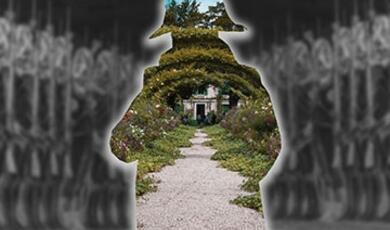
This lecture will explore Napoleon‘s life through his interactions with the natural world and a series of gardens that were important to him during the rise and fall of his power. The point of doing this is to approach his life from oblique angles, exploring material that is often overlooked.
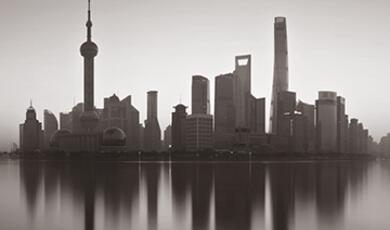
China’s media provide a window into the Chinese mind, as the country asserts itself in the world as a great power. What do Chinese people think is the purpose of life? What matters most to them? In what do they believe? How do officials and journalists explain their responsibilities?
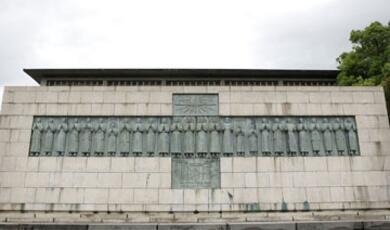
In the age of exploration, Catholic missionaries fanned out across the world, meeting with extraordinary success but also extraordinary opposition: nowhere more so than in Japan, where the fast-growing Catholic community was brutally suppressed in the early seventeenth century.

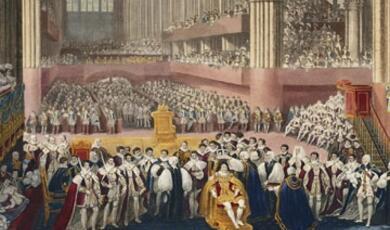
On the 200th anniversary of George IV's accession to the throne, this lecture considers whether or not he had any real impact on the fast-industrialising world around him, and the turbulent political times he lived through.
This lecture reports on the findings of "The Independent Tribunal into Forced Organ Harvesting from Prisoners of Conscience in China" (June 2019), which examined reports of state-sponsored murder for the harvesting and sale of organs.
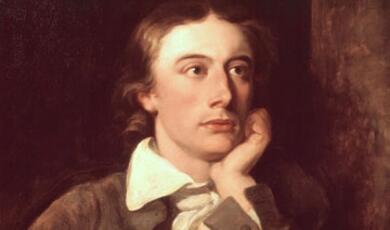
Jonathan Bate will track Keats to Hampstead and tell of the extraordinary circle of writers – opium-eater Thomas De Quincey, essayist Charles Lamb, master-critic William Hazlitt – who wrote for The London Magazine, until its gifted editor was killed in a duel with a rival critic.
Jonathan Bate will explain what Hazlitt meant and why Lyrical Ballads, the product of Wordsworth's intimate friendship with Samuel Taylor Coleridge, is one of the greatest and most influential volumes of poetry ever written.
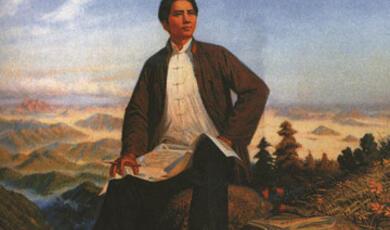
The establishment of the People’s Republic of China in 1949 gave Chinese artists a government that had explicit policies for the arts, seeing them as an essential part of the creation of ‘new China’.
After the founding of the Chinese Communist Party in 1921, many artists and intellectuals in China saw the overthrow of ‘tradition’ as the means to rescue the nation from poverty and backwardness.
The 1920s in China saw both the political chaos of warlordism, but also a flowering of creativity which drew on the keen awareness by many of China’s potential as part of a global modernism.