Gresham College provides outstanding educational talks and videos for the public free of charge. There are over 2,500 videos available on our website. Your support will help us to encourage people's love of learning for many years to come.
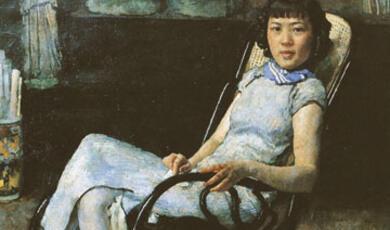
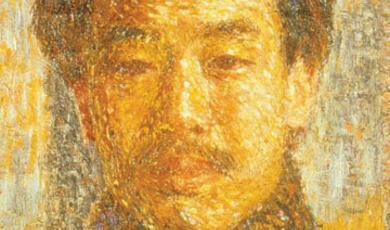
The establishment of the People’s Republic of China in 1949 gave Chinese artists a government that had explicit policies for the arts, seeing them as an essential part of the creation of ‘new China’.
It is well known that Shakespeare lived in an age of monarchy and wrote powerfully in his English history plays about the duties of the sovereign. In this lecture, Jonathan Bate will tell another, forgotten story: of how Shakespeare was also fascinated by Roman political models.
After the founding of the Chinese Communist Party in 1921, many artists and intellectuals in China saw the overthrow of ‘tradition’ as the means to rescue the nation from poverty and backwardness.
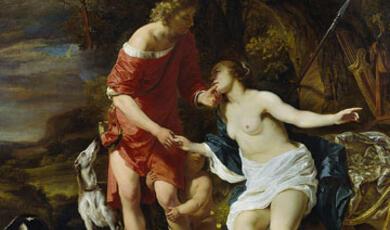
The Rape of Lucrece set the mould for Shakespeare’s exploration of the tragic consequences of sexual desire turning to violence. Jonathan Bate will show how Shakespeare developed these themes from his reading of the great Roman poet Ovid.
The 1920s in China saw both the political chaos of warlordism, but also a flowering of creativity which drew on the keen awareness by many of China’s potential as part of a global modernism.
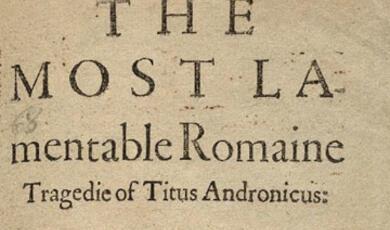
Jonathan Bate tells the story of how and why Shakespeare was steeped in the classics, from his earliest plays such as Titus Andronicus and The Comedy of Errors to his dramatisations of the stories of Julius Caesar and Antony and Cleopatra.
This opening lecture of the series, with musical illustrations, will use documents, poetry and images to bring the instrument to life, with a particular focus on the autobiography of the beguiling Tudor musician Thomas Whythorne.
In 2007, a team of doctors and scientists ascended to the roof of the world to understand more about how we adapt to high altitude - and why some of us adapt better than others. Uncovered is 15 years of research aiming to understand how humans adapt to low oxygen levels when critically ill.


 Login
Login