Gresham College provides outstanding educational talks and videos for the public free of charge. There are over 2,500 videos available on our website. Your support will help us to encourage people's love of learning for many years to come.
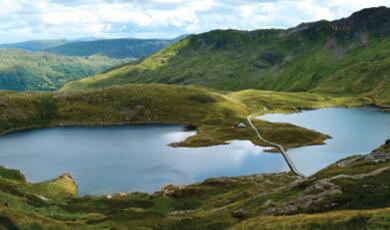
A movement is emerging with the aim of developing Greater London as the world’s first National Park City. But is there any significant environmental advantage to this and would London benefit from becoming one?
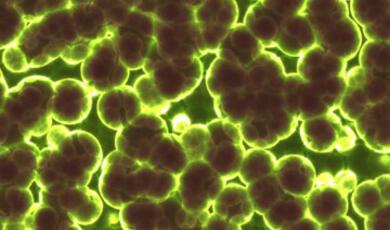
Nick Lane will explore the importance of energy flow in shaping life from its very origins to the flamboyant complexity around us, and ask whether energy flow would direct evolution down a similar path on other planets.
We live in an information age, with vast amounts of data constantly sent around the world. This lecture will introduce you to the mathematics of information.
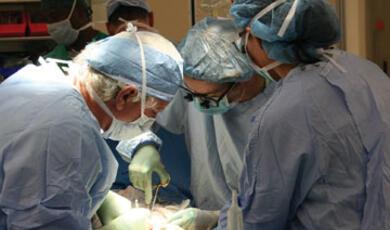
This week marks the 50th anniversary of the first human heart transplant. This talk will celebrate that achievement and consider what we have learned over those 50 years and what is to happen in the future.
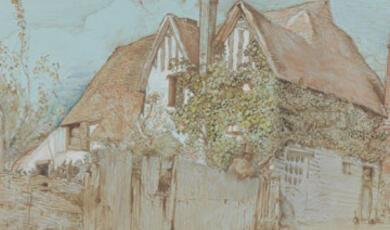
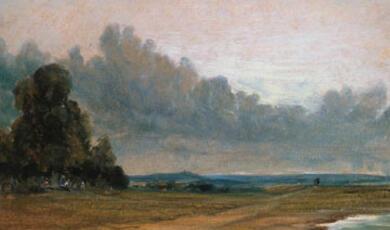
Samuel Palmer, in his Shoreham period in the 1820s and 30s, seized on the long tradition of classical pastoral landscapes, and wrested it into an English idiom.
Constable's Stour landscapes of the Regency period, during and just after the War with France, and his publication English Landscape Scenery, champion local and low-key rural England.
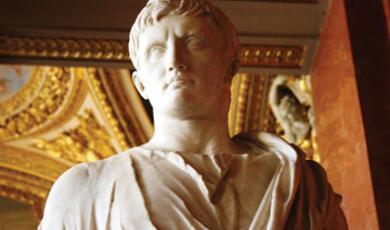
Mary Beard, Professor of Classics at the Univeristy of Cambridge, Fellow of Newnham College, and Royal Academy of Arts Professor of Ancient Literature - who is also well-known for her media appearances - will speak on the fascinating topic of images of Roman Emperors.

Few people are lucky enough to save lives or change them for the better. Few also experience the horror of losing lives or worsening them. In this lecture I want to share some of the astonishing experiences of a paediatric heart surgeon.
Can we give a purely scientific account of human nature in terms of its physical, chemical and biological components. Richard Dawnkins' 'The Selfish Gene' is considered to see how a scientific narrative about selfish genes might correlate with a theological narrative about sin.
The lecture will cover the history of the western world as seen through the food that nourished builders for the Great Pyramids, free men of the Roman Empire, the expansion of Christianity, and the development of Europe.