Gresham College provides outstanding educational talks and videos for the public free of charge. There are over 2,500 videos available on our website. Your support will help us to encourage people's love of learning for many years to come.
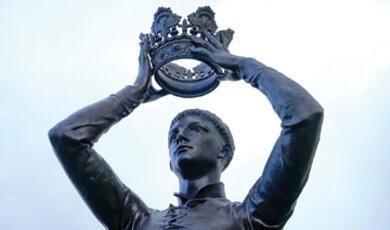
It is well known that Shakespeare lived in an age of monarchy and wrote powerfully in his English history plays about the duties of the sovereign. In this lecture, Jonathan Bate will tell another, forgotten story: of how Shakespeare was also fascinated by Roman political models.
Housing represents the main asset class held by UK households and we shall try to understand why it is held as such a large share of assets. We shall then outline whether this choice has other knock on effects in the economy such as labour and social mobility.
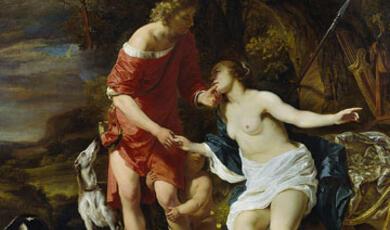
The Rape of Lucrece set the mould for Shakespeare’s exploration of the tragic consequences of sexual desire turning to violence. Jonathan Bate will show how Shakespeare developed these themes from his reading of the great Roman poet Ovid.
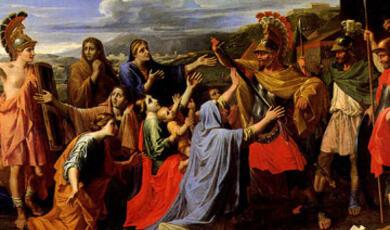
What do we mean by a hero and where does our understanding of the ‘heroic’ idiom come from? In this lecture, Jonathan Bate will show how Shakespeare’s idea of the hero was shaped by the classical tradition, going back to the ancient tale of Troy and Virgil’s epic poem The Aeneid.

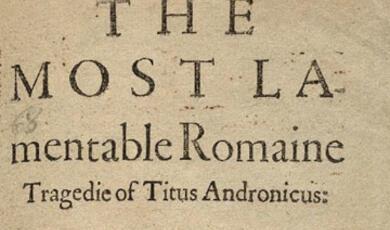
Jonathan Bate tells the story of how and why Shakespeare was steeped in the classics, from his earliest plays such as Titus Andronicus and The Comedy of Errors to his dramatisations of the stories of Julius Caesar and Antony and Cleopatra.
Productivity growth in the UK economy has lagged behind that of our major trading partners. We will examine a number of possible explanations ranging from the role of finance to the employment of physical and human capital.
We need to think of economic policy as some path co-ordinating monetary, financial and fiscal policy. The economic landscape that has been outlined implies some new cyclical and structural economic policy options facing the UK. These concepts will be discussed in this final lecture of the year.
For most of the period since we have had records, the UK has held a positive net international investment positions versus the rest of the world. But the UK is now a net debtor. What are the reasons for this extraordinary reversal and what does it mean for the exchange rate?
A consideration of the evolution of the asset and liability position of the UK's household, firm and government sector prior to the financial crisis and where we currently stand in terms of adjustment that is still required.