Gresham College provides outstanding educational talks and videos for the public free of charge. There are over 2,500 videos available on our website. Your support will help us to encourage people's love of learning for many years to come.
What did the sky-watchers of the ancient world think about the night sky, and its implications for human existence? Moving on to the great discoveries of Copernicus, Kepler, and Galileo, we will consider the basic science and ask about the deeper significance of these discoveries.
With a global market approaching £70 billion, there’s a lot at stake. Including some ‘blind taste tests’, the environmental science evidence behind organic farming will be reviewed, exploring facts and debunking a few myths.
The first Conservation Areas were designated in 1967, today at the golden anniversary there are some 10,000 sites. The presentation will explore the origins, variety and some challenges for the future.
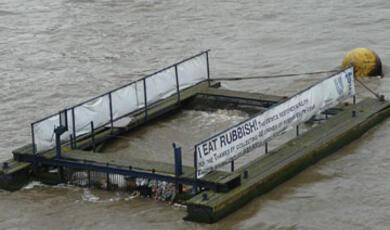
The advent of smart phones and GPS is increasingly allowing citizen observers of wildlife, ecology, air and water quality, and flooding, to enhance our understanding of environmental science. What opportunities exist for individuals to help to solve some of the most complex problems on Earth?
A dialogue with Philip Pullman's complex 'Dark Materials' trilogy which provides a framework for discussing how human beings relate to the material world, and the origin of evil.
South Africa’s Dutch Reformed Church (DRC) and the Afrikaner people it served had, since the 17th century drawn a distinction between white ‘Christians’ and the apparently unconvertible ‘heathen’ peoples around them. Theology legitimised apartheid, but was also instrumental in its end.

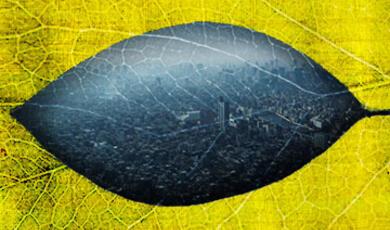
The era of ‘megacities’ is already with us, and the pace of development is escalating. But what are the challenges of managing their living environments to ensure that they are fed, have water to drink, clean air to breathe, and can dispose of their waste? Is it a utopian or dystopian urban fut
Can we give a purely scientific account of human nature in terms of its physical, chemical and biological components. Richard Dawnkins' 'The Selfish Gene' is considered to see how a scientific narrative about selfish genes might correlate with a theological narrative about sin.