Gresham College provides outstanding educational talks and videos for the public free of charge. There are over 2,500 videos available on our website. Your support will help us to encourage people's love of learning for many years to come.
Stories about islands punctuate the careers of Michael Powell and Emeric Pressburger, from Powell’s breakthrough with Edge of the World (1936) to the Hebridean journey of I Know Where I’m Going! (1945), and the final act of their Tales of Hoffmann (1951).
This talk will provide practical tips that everyone can employ, regardless of their experience, to improve their public speaking. It will highlight what is unique about public speaking compared to other forms of communication, and explain how to tailor your approach to the audience and the form.

This talk will introduce a practical framework to help you find what your purpose is, as well as explain how to pursue a career which is rewarding both intrinsically and financially.
World War Two set British filmmakers a challenge: to be relevant and entertaining and to inspire without patronising. Powell and Pressburger brought wit and imagination to their task, questioning what Britain stood for, warts and all.
This talk will explain how to focus on important long-term goals but at the same time meet urgent short-term deadlines; how to use email as an effective communication tool without being overwhelmed with it; and how to outsource and automate routine tasks.
This lecture explores how the partnership worked during the 1940s, drawing in collaborators from many backgrounds who also excelled, and benefiting from the extraordinary conditions of wartime Britain.
This series has argued that the origins of modern secularism lie in the age of the Renaissance. This last lecture will track that legacy down to the present.
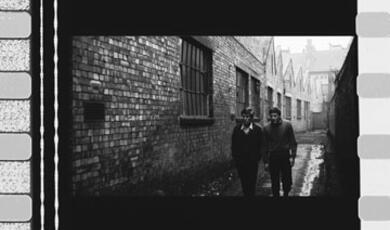
In the 1960s, British filmmakers broke out of the studio to find new subjects among the young, fashionable and disadvantaged, seen in their natural habitats – not only in the North and Midlands, but in unfamiliar parts of London.
The Protestant Reformation set out to purge Christianity of error. But once you have started, how do you know when to stop? Some radicals tore up layer upon layer of tradition in the tireless search for deeper truths, proving their faith by their refusal to believe.