Gresham College provides outstanding educational talks and videos for the public free of charge. There are over 2,500 videos available on our website. Your support will help us to encourage people's love of learning for many years to come.
This lecture examines the work of Hugo de Vries, a Dutch botanist who was one of the first to claim that science would allow plants and animals to be designed to order.
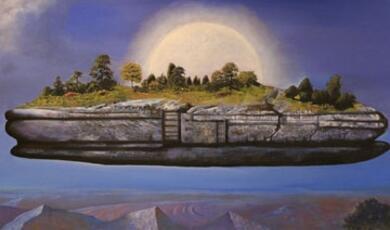
Stories about islands punctuate the careers of Michael Powell and Emeric Pressburger, from Powell’s breakthrough with Edge of the World (1936) to the Hebridean journey of I Know Where I’m Going! (1945), and the final act of their Tales of Hoffmann (1951).
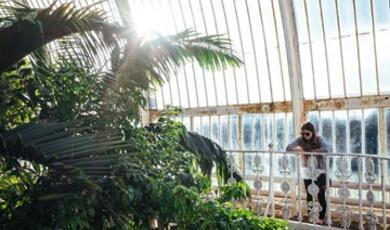
Sydney’s botanic garden, founded in the early nineteenth century, was expected to ship new plants 'home' to the Royal Botanic Gardens, Kew, from where they could be transplanted to other colonial gardens, to see if they could become valuable new crops to enrich the British Empire.

World War Two set British filmmakers a challenge: to be relevant and entertaining and to inspire without patronising. Powell and Pressburger brought wit and imagination to their task, questioning what Britain stood for, warts and all.
This lecture will begin with Bacon’s imagined garden, then consider the long-term promise of the experimental or scientific garden, which would eventually lead to today’s biotechnologies.
This lecture explores how the partnership worked during the 1940s, drawing in collaborators from many backgrounds who also excelled, and benefiting from the extraordinary conditions of wartime Britain.
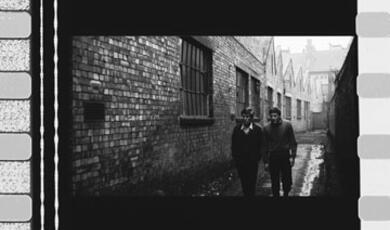
In the 1960s, British filmmakers broke out of the studio to find new subjects among the young, fashionable and disadvantaged, seen in their natural habitats – not only in the North and Midlands, but in unfamiliar parts of London.
We will need an aggressive strategy to ensure the safety of agricultural yields and food in the future especially in drought- prone and even temperate zones.
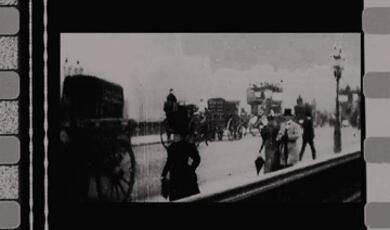
Britain’s pioneer filmmaker, born 150 years ago in North London, vividly portrayed the variety of life in ‘the imperial metropolis’ at the end of the 19th century, conscious of its historic appeal but also emphasising the modernity of which he was a part.