Gresham College provides outstanding educational talks and videos for the public free of charge. There are over 2,500 videos available on our website. Your support will help us to encourage people's love of learning for many years to come.
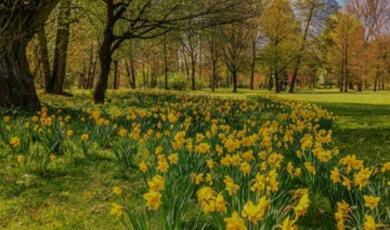
Jonathan Bate will explain what Hazlitt meant and why Lyrical Ballads, the product of Wordsworth's intimate friendship with Samuel Taylor Coleridge, is one of the greatest and most influential volumes of poetry ever written.
In the first of a series of lectures on English Romanticism, Jonathan Bate will go on a journey from the Scottish Highlands to a teenage suicide in London to the Geneva of Jean-Jacques Rousseau, in search of the origins of Romanticism.
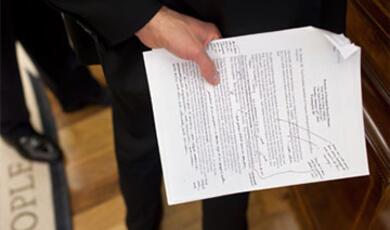
Simon Lancaster believes that the successful speechwriter is less of a puppeteer and more of an impressionist. In his talk, he will share a number of stories and anecdotes from his time as speechwriter.
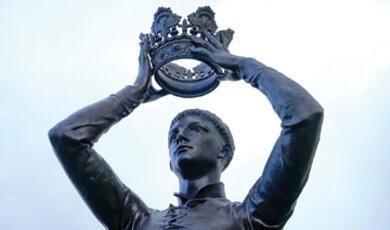
It is well known that Shakespeare lived in an age of monarchy and wrote powerfully in his English history plays about the duties of the sovereign. In this lecture, Jonathan Bate will tell another, forgotten story: of how Shakespeare was also fascinated by Roman political models.

Catherine Roach uncovers what we learn from the romance story about today’s changing norms for gender and sexuality and about the nature of happiness and love.
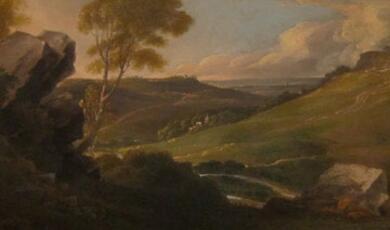
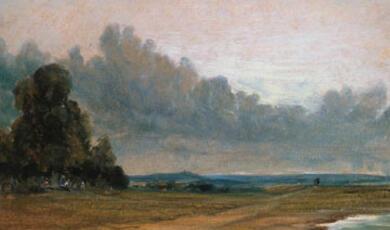
Constable's Stour landscapes of the Regency period, during and just after the War with France, and his publication English Landscape Scenery, champion local and low-key rural England.
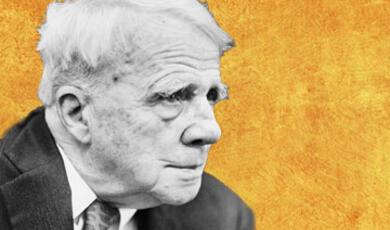
Frost's line, 'I found a dimpled spider... holding up a moth like a white piece of rigid satin cloth' exploits simile... But how can a moth be like cloth? -This is one of a number of examples that will be explored with a view to refining our understanding of smilie.
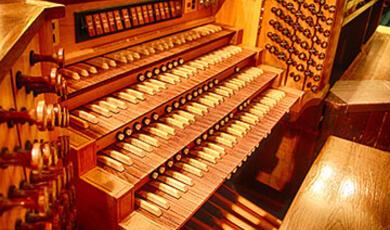
A musical journey into The Orgelbüchlein - the jewel in Bach's organ music - a collection of magnificent miniatures which encompass all the musical emotions and which allow the organist to show all the colours and sonorities of the instrument at his disposal.
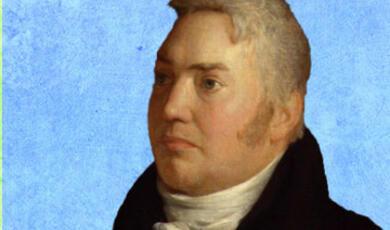
In the line, 'The Western wave was aflame', the 'Western wave' refers to the sea. But is it this simple? What do forms of substitution, synecdoche for example, lend to this magnificent and shadowy poem?