Gresham College provides outstanding educational talks and videos for the public free of charge. There are over 2,500 videos available on our website. Your support will help us to encourage people's love of learning for many years to come.
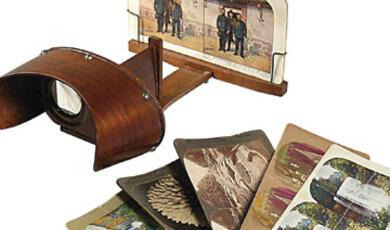
Stereoscopic photography rapidly became a worldwide craze after the Great Exhibition of 1851. Cheap viewers and mass-produced stereographs brought startlingly vivid images within reach of a mass audience, making this the form in which most people first encountered photography.
This lecture looks at our changing understanding of ourselves, focussing on Charles Darwin’s theory of human origins and the religious, scientific and ethical questions raised.
The Labour Party was formed in 1900 as a coalition between trade unions and socialist intellectuals with the aim of securing representation for the working class in parliament.
Housing represents the main asset class held by UK households and we shall try to understand why it is held as such a large share of assets. We shall then outline whether this choice has other knock on effects in the economy such as labour and social mobility.
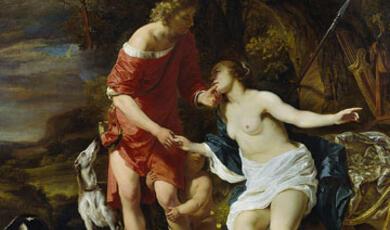
The Rape of Lucrece set the mould for Shakespeare’s exploration of the tragic consequences of sexual desire turning to violence. Jonathan Bate will show how Shakespeare developed these themes from his reading of the great Roman poet Ovid.
Catherine Roach uncovers what we learn from the romance story about today’s changing norms for gender and sexuality and about the nature of happiness and love.
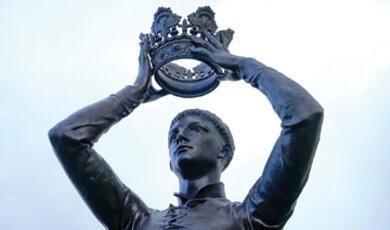
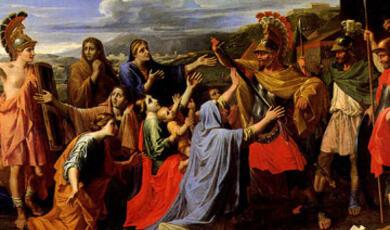
What do we mean by a hero and where does our understanding of the ‘heroic’ idiom come from? In this lecture, Jonathan Bate will show how Shakespeare’s idea of the hero was shaped by the classical tradition, going back to the ancient tale of Troy and Virgil’s epic poem The Aeneid.

What did the sky-watchers of the ancient world think about the night sky, and its implications for human existence? Moving on to the great discoveries of Copernicus, Kepler, and Galileo, we will consider the basic science and ask about the deeper significance of these discoveries.
We will carefully outline the categories of savings held by households and link that to the operation of financial intermediaries in providing loanable funds.
Samuel Palmer, in his Shoreham period in the 1820s and 30s, seized on the long tradition of classical pastoral landscapes, and wrested it into an English idiom.