Gresham College provides outstanding educational talks and videos for the public free of charge. There are over 2,500 videos available on our website. Your support will help us to encourage people's love of learning for many years to come.
This lecture starts by looking at early-modern understandings of the nature of ‘animal’ and ‘human’ life, before turning to the rise of ‘rights of animals’.
This lecture examines the deep-sea discoveries that have transformed our understanding of our planet, and the history of exploring the deep ocean that covers most of it.
2018 saw a seismic change in the willingness of women to speak out about sexual abuse. This lecture frankly confronts the anecdotal evidence and suggests ways in which we can learn from it.
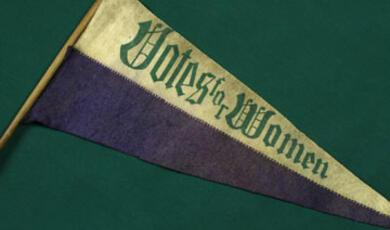
The campaign to achieve the parliamentary vote for women (6 February 1918) took 52 years, from 1866 to 1918. During that time women and their male supporters employed both parliamentary and extra-parliamentary tactics, ranging from the presentation of petitions to the detonation of bombs.

The lecture will explore what we know (and don’t know) about sexual violence from a global perspective. How have people in different periods of history and in a variety of countries understood and responded to assaults?
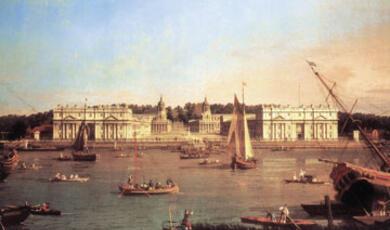
Roman London was founded on the banks of the Thames to take advantage of the tidal river for traffic trade and communications. But precisely where were the bridge and the harbour, and what did they look like?
Scientists are now finding increasing evidence of the terrible extent of human-induced damage of the sea. What attempts are being made to reduce this footprint of human activity, and can they succeed in restoring the largest living space on earth?
When should intervention take place to safeguard a child? Areas where harm may arise include children at risk of being radicalised through parents or others promoting terrorism. Emerging law and practice in this area will be examined.
The European Court of Human Rights has been at the crossroads of two legal civilizations: the Continental Civil Law on the one hand and the British Common Law on the other. Here we have two different approaches to reality.