Gresham College provides outstanding educational talks and videos for the public free of charge. There are over 2,500 videos available on our website. Your support will help us to encourage people's love of learning for many years to come.
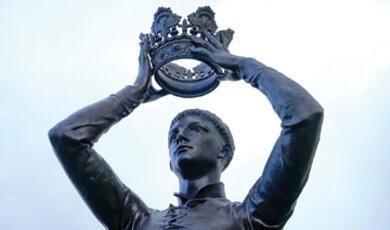
It is well known that Shakespeare lived in an age of monarchy and wrote powerfully in his English history plays about the duties of the sovereign. In this lecture, Jonathan Bate will tell another, forgotten story: of how Shakespeare was also fascinated by Roman political models.
In 1643 an English landowner, Sir Ralph Verney, fled to France in the depths of the Civil War. He settled in Blois and, while there, amassed a vast archive that is still unpublished. These records provide a wealth of information about the music they played and the guitars they bought.

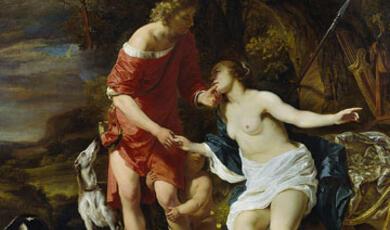
The Rape of Lucrece set the mould for Shakespeare’s exploration of the tragic consequences of sexual desire turning to violence. Jonathan Bate will show how Shakespeare developed these themes from his reading of the great Roman poet Ovid.
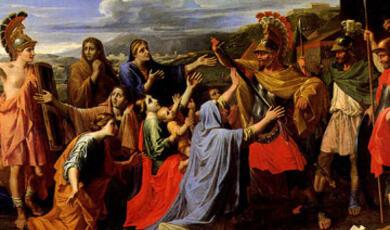
What do we mean by a hero and where does our understanding of the ‘heroic’ idiom come from? In this lecture, Jonathan Bate will show how Shakespeare’s idea of the hero was shaped by the classical tradition, going back to the ancient tale of Troy and Virgil’s epic poem The Aeneid.
What kind of people owned a guitar in the London of Elizabeth I and where did they go shopping for one? It is possible to assemble a remarkably full picture of the instrument’s place in the social life and trade and trade of Tudor England.
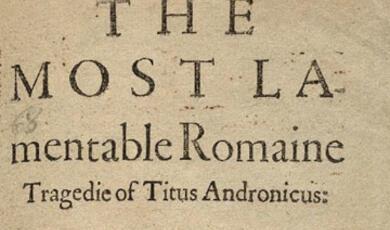
Jonathan Bate tells the story of how and why Shakespeare was steeped in the classics, from his earliest plays such as Titus Andronicus and The Comedy of Errors to his dramatisations of the stories of Julius Caesar and Antony and Cleopatra.
This opening lecture of the series, with musical illustrations, will use documents, poetry and images to bring the instrument to life, with a particular focus on the autobiography of the beguiling Tudor musician Thomas Whythorne.