Gresham College provides outstanding educational talks and videos for the public free of charge. There are over 2,500 videos available on our website. Your support will help us to encourage people's love of learning for many years to come.
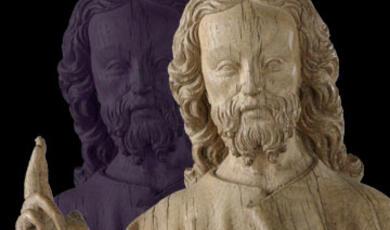
A singer in a church of 450-650 was appointed in the same way as a gravedigger - too lowly to demand the bishop's attention. Arrangements were increasingly made to school singers in the great metropolitan churches of the West, as will be demonstrated.
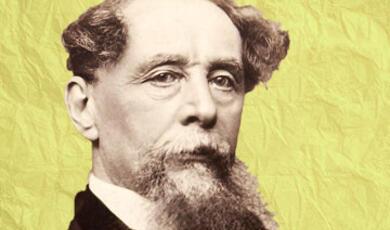
Dickens' use of exaggeration is key to his style. But its use has myriad effects from making a character's disposition unmissable, to adding whimsy and humour.
In their deliberations, the bishops identified for the first time in Christian history, an actual ministry of song. This lecture will build on this foundational moment in Christian musical history.
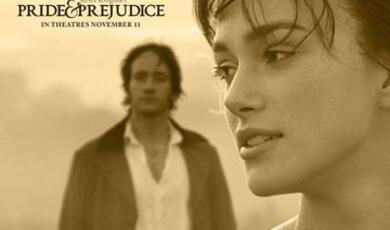
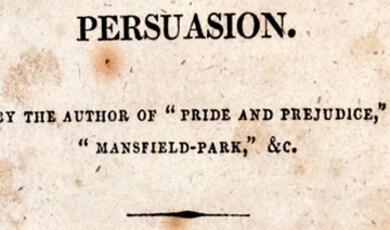
Narrative, the way a tale is told, is less straightforward than we might suppose. Austen handled irony brilliantly and systematically exploited new ways of narrating, including free indirect discourse. This lecture explores why Austen's way of narrating are so compelling.
Like many others in the first and second centuries, the governor thought the Christians very strange. So they were in many respects, but they were not so strange that they repudiated the use of ritual song. We begin our survey with the music of the first Christian communities.

This final lecture of the series, given in the church whose bells are commemorated in nursery rhyme as the ‘bells of the Old Bailey’, will explore the place of the bell tower and its inhabitants in the medieval imagination.