Gresham College provides outstanding educational talks and videos for the public free of charge. There are over 2,500 videos available on our website. Your support will help us to encourage people's love of learning for many years to come.
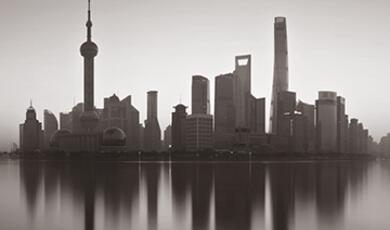
China’s media provide a window into the Chinese mind, as the country asserts itself in the world as a great power. What do Chinese people think is the purpose of life? What matters most to them? In what do they believe? How do officials and journalists explain their responsibilities?
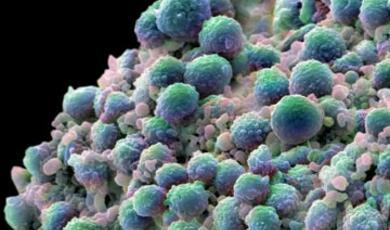
Ill health has always been concentrated in particular places; tackling these pockets of ill health is an essential role for public health. These may be driven by environmental factors, demography, deprivation and healthcare provision.
Drones are changing the face of war in the 21st century for combatants and civilians. Today drones carry out targeted assassinations, bombings and intelligence-gathering, and the forces that deploy them aim to minimise the loss of life.
How has Covid-19 re-shaped our ideas about what we owe society? The lockdown has had a terrible impact on the economic prospects of young people, and the elderly have suffered from high mortality in care homes.
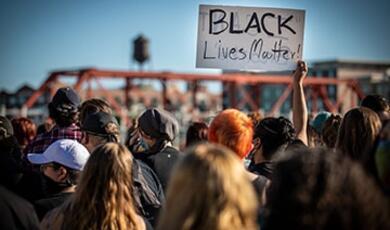
Traditionally a lawyer’s own views and political affiliation are irrelevant to the pursuit of the legal process. This lecture will examine – and celebrate – the work of lawyers who have crossed the usual lines and worked for political change.
The relative role of the State and the individual is a recurring theme of political theory. It is also a practical question in public health – what are the respective responsibilities of government, individuals and healthcare professionals to protect health?
Lord Carlile will discuss the effect of Covid-19 on counter terrorism policy, including suggestions that terrorist organisations have taken advantage of the pandemic to increase their influence.
What is the history of populism? Has it ever been a force for good? In this lecture, Sir Richard Evans, Provost of Gresham College, discusses the different varieties of populism.
Like James I, King William III was fundamentally unhappy with the stuffy formality of England’s vast crumbling royal estate. But unlike James, who virtually abandoned Edinburgh, William maintained a second court, and a parallel suite of royal houses, in the Netherlands.