Gresham College provides outstanding educational talks and videos for the public free of charge. There are over 2,500 videos available on our website. Your support will help us to encourage people's love of learning for many years to come.
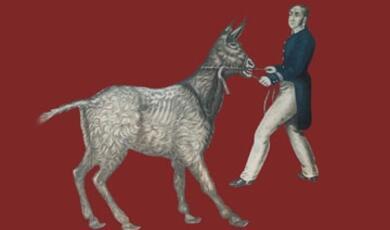
This lecture starts by looking at early-modern understandings of the nature of ‘animal’ and ‘human’ life, before turning to the rise of ‘rights of animals’.
Professor Fletcher proposes that it can be understood in terms of the normal functioning of the mind, which seeks to construct a working model of reality even though it has very little direct contact with that reality.
2018 saw a seismic change in the willingness of women to speak out about sexual abuse. This lecture frankly confronts the anecdotal evidence and suggests ways in which we can learn from it.
I will argue for the essential unity of speech and gesture in the transmission of thought, and suggest that we have underestimated the considerable communicative significance of these movements.
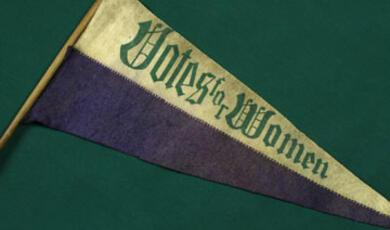
The campaign to achieve the parliamentary vote for women (6 February 1918) took 52 years, from 1866 to 1918. During that time women and their male supporters employed both parliamentary and extra-parliamentary tactics, ranging from the presentation of petitions to the detonation of bombs.

The lecture will explore what we know (and don’t know) about sexual violence from a global perspective. How have people in different periods of history and in a variety of countries understood and responded to assaults?
An exploration of the concept of the 'good' doctor, and how we can ensure that our doctors are 'good'. This question is crucial at time when morale in the health services appears low and inquiries reveal poor practice by some health care professionals.
Personal information is understood as the property of individuals, but this way of thinking about information raises questions about the ethics of information sharing, particularly in relation to medical research and the management of risk in healthcare.