Gresham College provides outstanding educational talks and videos for the public free of charge. There are over 2,500 videos available on our website. Your support will help us to encourage people's love of learning for many years to come.
When England’s Reformation began, only a small band of idealists – or fanatics – truly wanted a Protestant England. Nevertheless, within a single lifetime, they achieved it.
Vaccination has transformed the outlook for many previously lethal infectious diseases. It has, however, caused controversy since its beginnings, even when used for widely feared diseases such as smallpox. For many infectious diseases we do not have a vaccine, and may never get one.

The English Reformation – unlike many of the other Reformations convulsing sixteenth-century Europe – was at heart more about politics and law than about religion.
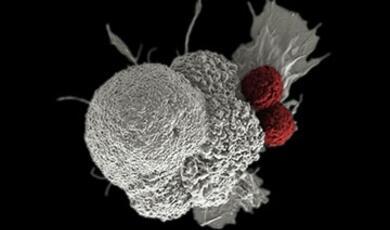
One of the most powerful tools in public health is screening – whether for cancers like cervical or breast cancer, genetic abnormalities, or infectious diseases. Screening can be transformational, detecting disease early and preventing it taking hold.
Most English people initially saw the Reformation as an unexpected catastrophe, wrenching their religious lives out of shape, and stripping their communities of resources they had naively believed belonged to them.
Ill health has always been concentrated in particular places; tackling these pockets of ill health is an essential role for public health. These may be driven by environmental factors, demography, deprivation and healthcare provision.
The relative role of the State and the individual is a recurring theme of political theory. It is also a practical question in public health – what are the respective responsibilities of government, individuals and healthcare professionals to protect health?
England’s Catholic Reformation is the reformation that sixteenth-century England nearly had: a reformed and renewed English Catholic Church, its new schools and revived parishes matched with a firm smack of discipline.
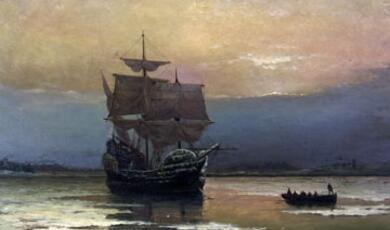
The story of the Mayflower is usually presented as a tale of persecuted Pilgrims crossing the Atlantic in circumstances of grave adversity to inhabit a desolate wilderness.