Gresham College provides outstanding educational talks and videos for the public free of charge. There are over 2,500 videos available on our website. Your support will help us to encourage people's love of learning for many years to come.
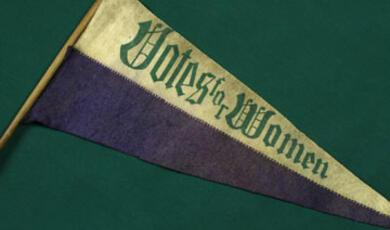
The campaign to achieve the parliamentary vote for women (6 February 1918) took 52 years, from 1866 to 1918. During that time women and their male supporters employed both parliamentary and extra-parliamentary tactics, ranging from the presentation of petitions to the detonation of bombs.
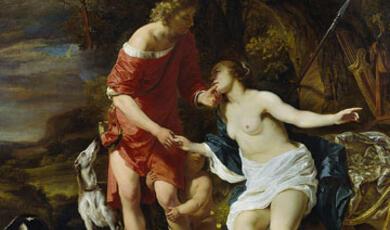
The Rape of Lucrece set the mould for Shakespeare’s exploration of the tragic consequences of sexual desire turning to violence. Jonathan Bate will show how Shakespeare developed these themes from his reading of the great Roman poet Ovid.
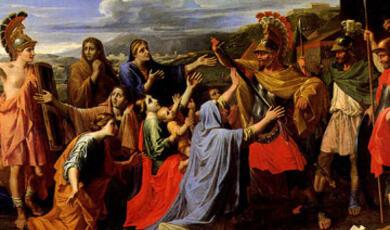
What do we mean by a hero and where does our understanding of the ‘heroic’ idiom come from? In this lecture, Jonathan Bate will show how Shakespeare’s idea of the hero was shaped by the classical tradition, going back to the ancient tale of Troy and Virgil’s epic poem The Aeneid.

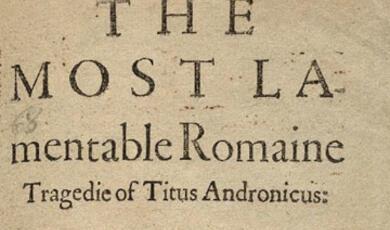
Jonathan Bate tells the story of how and why Shakespeare was steeped in the classics, from his earliest plays such as Titus Andronicus and The Comedy of Errors to his dramatisations of the stories of Julius Caesar and Antony and Cleopatra.
The times they are a-changing - or are they? Do female lawyers need to be Superwoman to survive? This lecture will explore the reality of life at the Bar and why vocation matters.
In the UK and USA, counter-terrorism efforts have had disparate impacts on racial, ethnic or religious minorities. Are the underlying policies and practices consistent with Anglo-American concepts of the rule of law and individual rights?
The issue of Shaken Baby or Natural Cause will be examined, using a case study involving a bereaved parent, the transformation of a family home into a crime scene, with the pregnant mother facing a murder trial and her baby removed at birth.
Early in 2016, the criminal and civil courts of England and Wales embarked on a modernisation programme aimed at reforming procedures that have survived for centuries. The hope is to set up the courts of the future. Will this project be the forward-thing success we hope for, or an IT disaster?