Gresham College provides outstanding educational talks and videos for the public free of charge. There are over 2,500 videos available on our website. Your support will help us to encourage people's love of learning for many years to come.
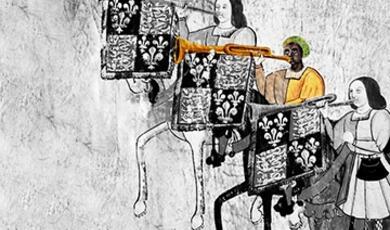
Africans have been present in England for more than two thousand years, but we rarely see them or hear about them. And often their existence is dismissed as a figment of 'political correctness' or 'wokism.' This lecture will critically assess the myth of England's story as a 'sacred white space' and examine the evidence for diversity in medieval and early modern history. Africans are integral to English history and forgetting this diminishes Englishness, by preventing us from understanding ourselves.
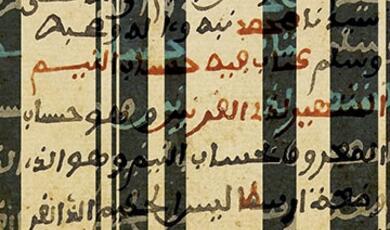
The Malian city of Timbuktu is one of the world's oldest seats of learning and has an intellectual legacy of hundreds of thousands of manuscripts, coming from three great West African desert empires. These manuscripts offer a unique window into their history. This lecture will look at how their study can be used to advance our knowledge of the intellectual history of the premodern world.
This lecture will explore our financial system. Why do banks exist, and what do they do with the money that savers lend to them? We’ll explore what risks they face and how they can go bust – even if they make completely safe investments. How does the stock market work – what happens when you trade shares, and why do some companies raise money on the stock market and others don’t? Can ordinary citizens influence how the money they save is used?
This lecture will explore the essentials of financial planning. What are the different ways to save and invest? What does owning bonds and shares give you?
The nature of investment is changing to better reflect the ecosystem of the planet we live on. The days of fossil fuel are numbered by the move to renewable energy. Resources and a healthy environment are finally being seen as core to our future.
CEOs make mistakes due to their own psychological biases – but they also profit from the biases of others. Some exploit investors by catering to sentiment – adding “.com” to their name during the Internet bubble or entering “hot” industries to inflate their valuations.
Gresham’s Professor of Law Jo Delahunty will explore what the future holds for the next generation of barristers: will they better reflect the society they serve in terms of background, ethnicity and gender? Is privilege and income as much of a division at The Bar as it is in society?
We often think that leaders are particularly strong in decision making – that’s why they’ve made it to the top. But evidence shows that even senior executives are prone to psychological biases, such as overconfidence, groupthink, and applying one-size-fits-all rules.