Gresham College provides outstanding educational talks and videos for the public free of charge. There are over 2,500 videos available on our website. Your support will help us to encourage people's love of learning for many years to come.
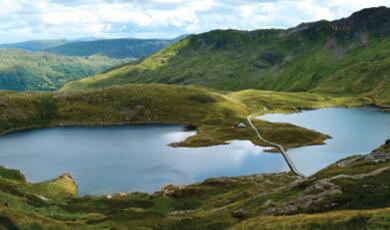
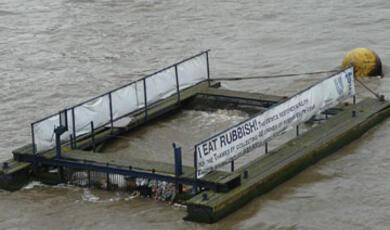
A movement is emerging with the aim of developing Greater London as the world’s first National Park City. But is there any significant environmental advantage to this and would London benefit from becoming one?
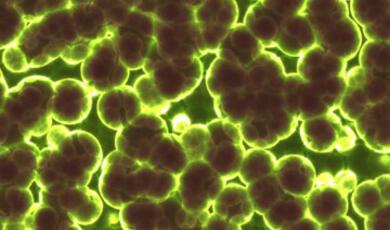
Nick Lane will explore the importance of energy flow in shaping life from its very origins to the flamboyant complexity around us, and ask whether energy flow would direct evolution down a similar path on other planets.
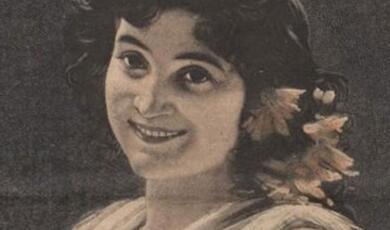
This lecture uncovers what we know about the ‘real Sappho’, an aristocrat who lived between 630 and 570 BCE on the island of Lesbos and socialised in the lavish courts of upstart tyrants.
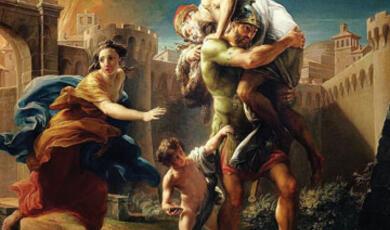
Homer’s Iliad, the earliest Greek poem, narrates the archetypal war between ‘Europeans’ and ‘Asiatics’ divided by the Hellespont. Looking at Wolfgang Peterson’s blockbuster Troy (2004), the lecture describes the genesis of the Iliad between the Mycenaean Late Bronze Age and the 8th centu
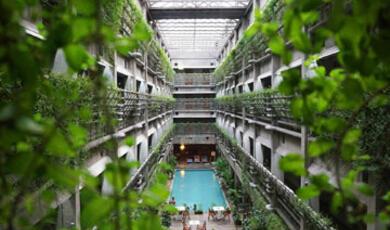
With a global market approaching £70 billion, there’s a lot at stake. Including some ‘blind taste tests’, the environmental science evidence behind organic farming will be reviewed, exploring facts and debunking a few myths.
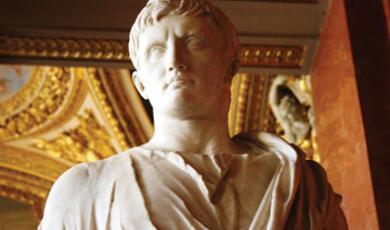
Mary Beard, Professor of Classics at the Univeristy of Cambridge, Fellow of Newnham College, and Royal Academy of Arts Professor of Ancient Literature - who is also well-known for her media appearances - will speak on the fascinating topic of images of Roman Emperors.

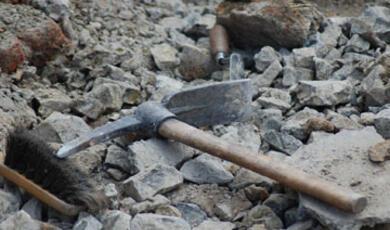
Excavations have recently uncovered much evidence of Roman London, including fragments of 405 waxed stylus writing-tablets that can be dated to AD 50-90. Roger Tomlin explains how he deciphered the tablets and what can be learned from them.
Roman London was founded on the banks of the Thames to take advantage of the tidal river for traffic trade and communications. But precisely where were the bridge and the harbour, and what did they look like?