Gresham College provides outstanding educational talks and videos for the public free of charge. There are over 2,500 videos available on our website. Your support will help us to encourage people's love of learning for many years to come.
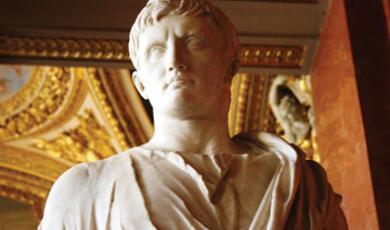
Mary Beard, Professor of Classics at the Univeristy of Cambridge, Fellow of Newnham College, and Royal Academy of Arts Professor of Ancient Literature - who is also well-known for her media appearances - will speak on the fascinating topic of images of Roman Emperors.

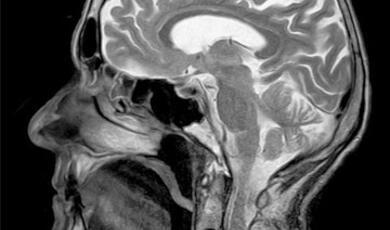
Many of us have been in a medical scanner and benefited from its use in medical diagnostics. But how many of us have considered how it works? The maths behind modern medical imaging (showing how CAT, MRI and Ultrasound scanners work) will be explained.
Excavations have recently uncovered much evidence of Roman London, including fragments of 405 waxed stylus writing-tablets that can be dated to AD 50-90. Roger Tomlin explains how he deciphered the tablets and what can be learned from them.
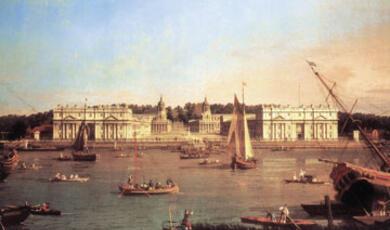
Roman London was founded on the banks of the Thames to take advantage of the tidal river for traffic trade and communications. But precisely where were the bridge and the harbour, and what did they look like?
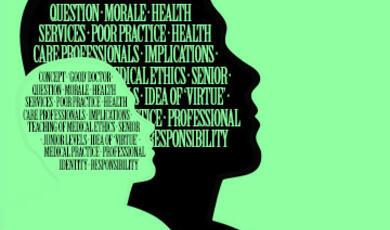
An exploration of the concept of the 'good' doctor, and how we can ensure that our doctors are 'good'. This question is crucial at time when morale in the health services appears low and inquiries reveal poor practice by some health care professionals.
Using DNA and gene-based therapy to treat human diseases may sound like science-fiction, but there are already several gene therapies in use today. This lecture will describe what gene therapy is all about, the recent advancements in the field and what the future holds for gene therapies.
Few people are lucky enough to save lives or change them for the better. Few also experience the horror of losing lives or worsening them. In this lecture I want to share some of the astonishing experiences of a paediatric heart surgeon.
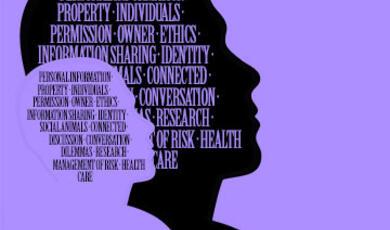
Personal information is understood as the property of individuals, but this way of thinking about information raises questions about the ethics of information sharing, particularly in relation to medical research and the management of risk in healthcare.
Eradicating an infectious disease for all time is one of the greatest gifts a generation can give to all subsequent ones. This lecture will examine the opportunities and difficulties of eradication.