Gresham College provides outstanding educational talks and videos for the public free of charge. There are over 2,500 videos available on our website. Your support will help us to encourage people's love of learning for many years to come.
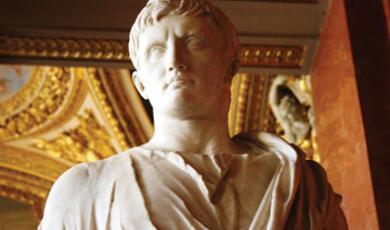
Mary Beard, Professor of Classics at the Univeristy of Cambridge, Fellow of Newnham College, and Royal Academy of Arts Professor of Ancient Literature - who is also well-known for her media appearances - will speak on the fascinating topic of images of Roman Emperors.

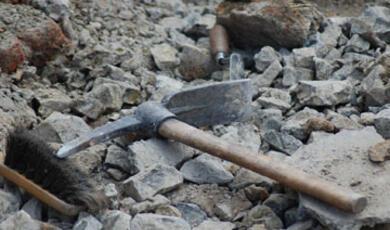
Excavations have recently uncovered much evidence of Roman London, including fragments of 405 waxed stylus writing-tablets that can be dated to AD 50-90. Roger Tomlin explains how he deciphered the tablets and what can be learned from them.
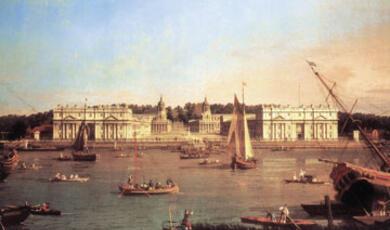
Roman London was founded on the banks of the Thames to take advantage of the tidal river for traffic trade and communications. But precisely where were the bridge and the harbour, and what did they look like?
Frost's line, 'I found a dimpled spider... holding up a moth like a white piece of rigid satin cloth' exploits simile... But how can a moth be like cloth? -This is one of a number of examples that will be explored with a view to refining our understanding of smilie.
In the line, 'The Western wave was aflame', the 'Western wave' refers to the sea. But is it this simple? What do forms of substitution, synecdoche for example, lend to this magnificent and shadowy poem?
'When well-appareled April on the heel / Of limping winter treads'. A calendar month cannot dress, nor can a season walk. This lecture will explore the magic of personification in Shakespeare's poetry.
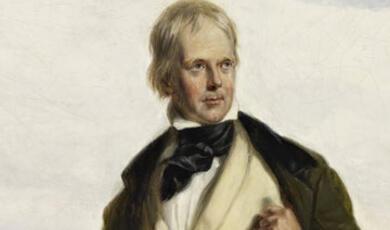
This lecture will explain why Scott’s romanticised representations of Scotland were such a hit, and how his enduring legacy has helped or hindered Scotland as it seeks to define its place in Britain today.
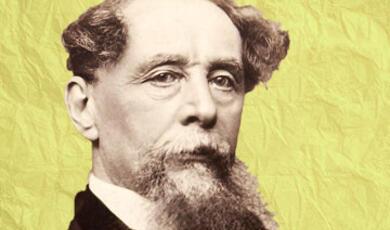
Dickens' use of exaggeration is key to his style. But its use has myriad effects from making a character's disposition unmissable, to adding whimsy and humour.