Gresham College provides outstanding educational talks and videos for the public free of charge. There are over 2,500 videos available on our website. Your support will help us to encourage people's love of learning for many years to come.
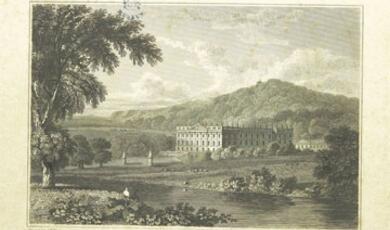
Due to the Duke of Marlborough‘s military genius and the crush that Queen Anne had on his wife, the duchess, the Marlboroughs were presented with two of the greatest houses of the age.
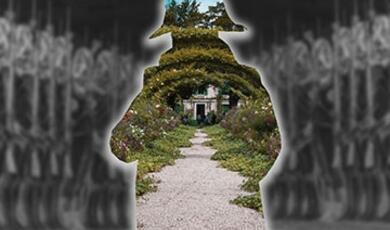
This lecture will explore Napoleon‘s life through his interactions with the natural world and a series of gardens that were important to him during the rise and fall of his power. The point of doing this is to approach his life from oblique angles, exploring material that is often overlooked.
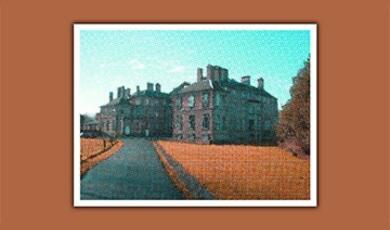
Charles II‘s illegitimate son, the Duke of Monmouth, became one of the most influential and powerful men at the Restoration court. He married a Scottish heiress, Anne Scott, and together they became leaders of fashion and taste.
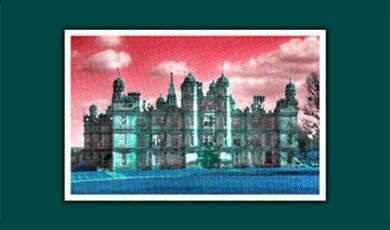
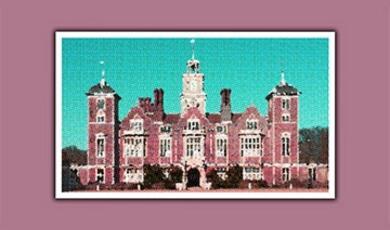
Father and son, William and Robert Cecil, not only dominated politics for much of Elizabeth I and James I reign but dominated architectural fashion. Building a series of spectacular houses, they, and not the monarchy, were the great palace builders of their age.

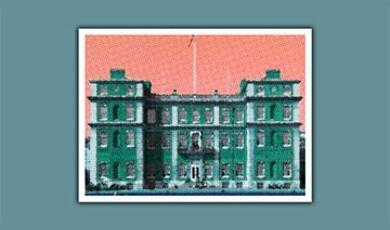
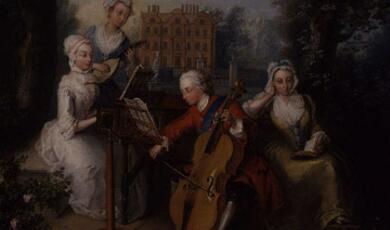
A family best known for producing one of England’s most famous queen consorts started out owning substantial estates in Norfolk before buying, and inheriting, a series of major houses close to London.
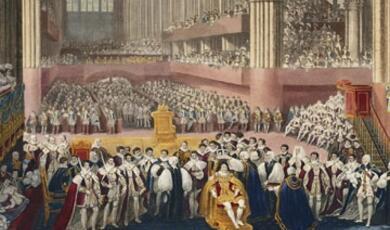
On the 200th anniversary of George IV's accession to the throne, this lecture considers whether or not he had any real impact on the fast-industrialising world around him, and the turbulent political times he lived through.
Jonathan Bate will track Keats to Hampstead and tell of the extraordinary circle of writers – opium-eater Thomas De Quincey, essayist Charles Lamb, master-critic William Hazlitt – who wrote for The London Magazine, until its gifted editor was killed in a duel with a rival critic.
The changing balance of power and wealth between the aristocracy and the monarchy from the sixteenth to the nineteenth century has fundamentally influenced today’s national cultural landscape of art and architecture.
This lecture questions this view and shows how, from the sixteenth century, aristocratic families deployed their collections and commissioned their buildings in both town and country in order to further their political and dynastic ambitions.
An integral part of the tumultuous political events of the century was the cultural ambition of the principal players who form the subject of this lecture.