Gresham College provides outstanding educational talks and videos for the public free of charge. There are over 2,500 videos available on our website. Your support will help us to encourage people's love of learning for many years to come.
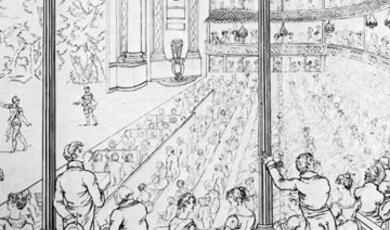
London is home to two of the oldest working theatres in the world both founded by Charles II’s patents. Professor Thurley looks at the significance and impact of these great institutions on the development of London.
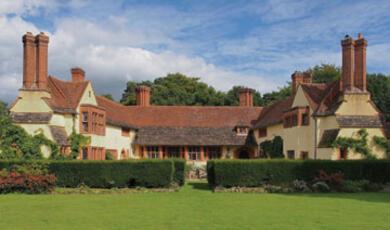
Edwardian architecture in particular provides a fascinating commentary on broader historical themes – not only in its use of style and its remodelling of old buildings but also in the range of new activities it provided for.
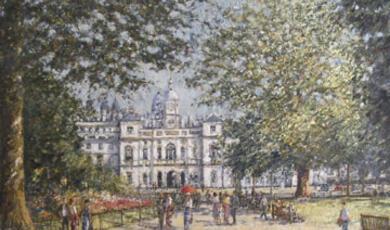
Based on new research into the origins of St. James’s, Simon Thurley looks into the ingredients that went into making a court quarter there and the way it formed a blueprint for the new West End of London.
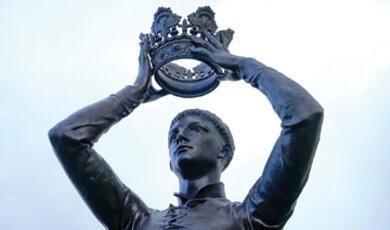
It is well known that Shakespeare lived in an age of monarchy and wrote powerfully in his English history plays about the duties of the sovereign. In this lecture, Jonathan Bate will tell another, forgotten story: of how Shakespeare was also fascinated by Roman political models.
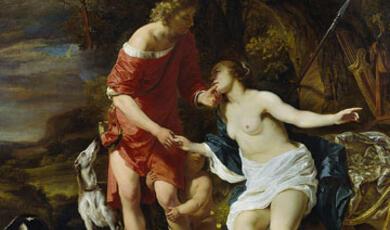
The Rape of Lucrece set the mould for Shakespeare’s exploration of the tragic consequences of sexual desire turning to violence. Jonathan Bate will show how Shakespeare developed these themes from his reading of the great Roman poet Ovid.
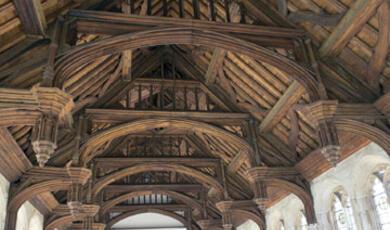
In the first of two lectures with the theme ‘Merchants, Money and Megalomania’, Simon Thurley will unearth the lost mercantile buildings of medieval London and show how influential they were.
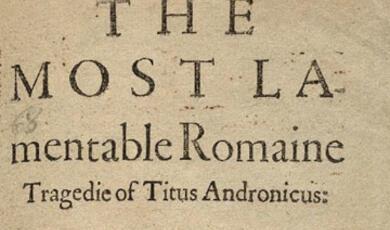
Jonathan Bate tells the story of how and why Shakespeare was steeped in the classics, from his earliest plays such as Titus Andronicus and The Comedy of Errors to his dramatisations of the stories of Julius Caesar and Antony and Cleopatra.
This opening lecture of the series, with musical illustrations, will use documents, poetry and images to bring the instrument to life, with a particular focus on the autobiography of the beguiling Tudor musician Thomas Whythorne.


 Login
Login