Gresham College provides outstanding educational talks and videos for the public free of charge. There are over 2,500 videos available on our website. Your support will help us to encourage people's love of learning for many years to come.
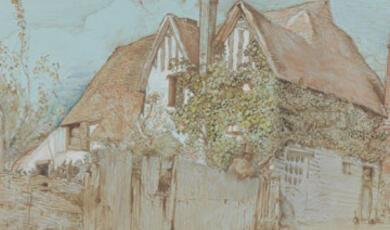
Samuel Palmer, in his Shoreham period in the 1820s and 30s, seized on the long tradition of classical pastoral landscapes, and wrested it into an English idiom.
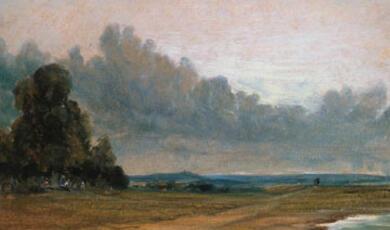
Constable's Stour landscapes of the Regency period, during and just after the War with France, and his publication English Landscape Scenery, champion local and low-key rural England.
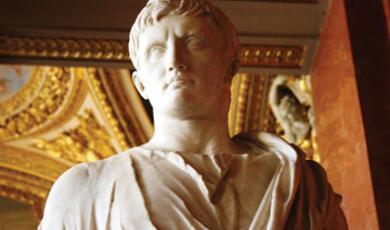
Mary Beard, Professor of Classics at the Univeristy of Cambridge, Fellow of Newnham College, and Royal Academy of Arts Professor of Ancient Literature - who is also well-known for her media appearances - will speak on the fascinating topic of images of Roman Emperors.

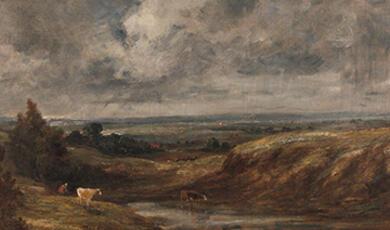
The late eighteenth and early nineteenth- century vogue for the Picturesque and for forging an English landscaping tradition (with frameable landscape scenery and managed wildness) will be the starting point for discussion.
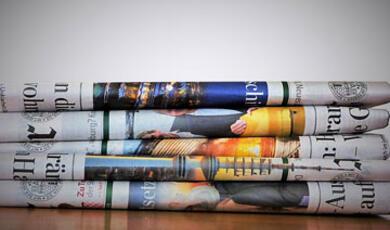
An economic model for news that have existed for 200 years or more is disappearing. Are we facing the prospect of societies without 'news' as previously understood? And why does it matter?
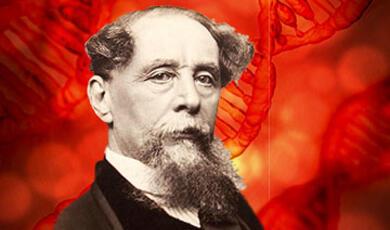
Charles Dickens's expert eye for detail enabled him to describe many medical conditions in his writings. Dickens also suffered with a number of medical conditions which will be discussed in detail during the lecture.
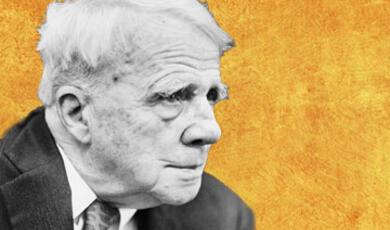
Frost's line, 'I found a dimpled spider... holding up a moth like a white piece of rigid satin cloth' exploits simile... But how can a moth be like cloth? -This is one of a number of examples that will be explored with a view to refining our understanding of smilie.
There was a time when old places were valued simply for their beauty and interest, but now this is not enough. Are calculations of the financial contribution of our history adding to the value of our heritage or have they fundamentally devalued it?
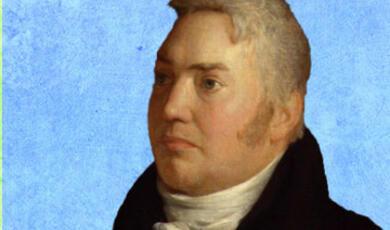
In the line, 'The Western wave was aflame', the 'Western wave' refers to the sea. But is it this simple? What do forms of substitution, synecdoche for example, lend to this magnificent and shadowy poem?
This lecture tells a startling and unexpected story of science-communication success: the YouTube channel 'The Periodic Table of Videos,' which boasts over 130 million views in more than 200 counties. What is the secret to this educational success?