Gresham College provides outstanding educational talks and videos for the public free of charge. There are over 2,500 videos available on our website. Your support will help us to encourage people's love of learning for many years to come.
For nearly seventy years, what might be called ‘the canon’ of greatest films has been arbitrated by an international poll of critics delivering a ‘ten best’ list every decade, published in the BFI’s Sight & Sound.
Is the jury system the bulwark of individual liberty? This lecture will look at the role of the so-called “perverse jury” in acquitting defendants where the law, or the charge itself, is deemed unjust.
How do we investigate violent and unexpected deaths at the inquest? Who investigates? When do deaths get referred to the Coroner? Are inquests non-adversarial and inquisitorial? When do you have a jury? What are findings, determinations and conclusions (aka verdicts)? Can you appeal?
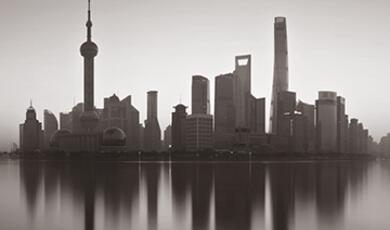
China’s media provide a window into the Chinese mind, as the country asserts itself in the world as a great power. What do Chinese people think is the purpose of life? What matters most to them? In what do they believe? How do officials and journalists explain their responsibilities?
The Brothers Grimm’s tale of Snow White has been retold dozens of times in print and the cinema over the past two centuries. A central character is the Evil Queen, Snow White’s malevolent stepmother, who tries to kill her with the help of the occult.

Drones are changing the face of war in the 21st century for combatants and civilians. Today drones carry out targeted assassinations, bombings and intelligence-gathering, and the forces that deploy them aim to minimise the loss of life.
How has Covid-19 re-shaped our ideas about what we owe society? The lockdown has had a terrible impact on the economic prospects of young people, and the elderly have suffered from high mortality in care homes.
Air pollution, the usefulness of trees, ideas for a green belt are not concerns we associate with the 1600s. But John Evelyn, writer, diarist and gardener, was unusual. His thinking in Fumifugium (1661) about air quality, and Sylva (1664) about trees, seems astonishingly close to our own today.
How does fiction make itself seem like fact? Professor John Mullan begins where novels begin: with Defoe’s Robinson Crusoe, which showed every novel that followed how to make a ‘strange surprising’ story seem entirely ‘probable’ (the word that eighteenth-century pioneers of fiction liked t