Gresham College provides outstanding educational talks and videos for the public free of charge. There are over 2,500 videos available on our website. Your support will help us to encourage people's love of learning for many years to come.
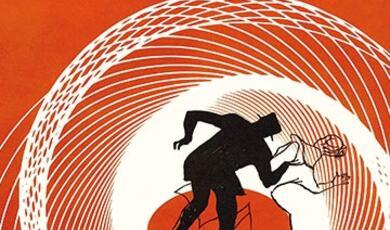
Cinema’s original canons were based on a small number of works most highly esteemed by archivists and historians. But access to the history of film has been dramatically expanded by digital media, as have debates between those arguing from different premises.
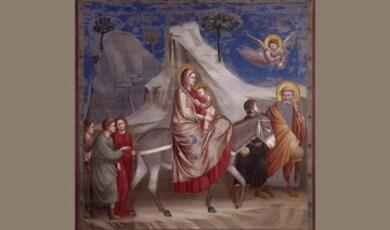
Italo-Byzantine art will be considered as background to the early or ‘proto’ Renaissance at a time when Italy was a focus of stylistic cross-currents from South, East and Northern Europe.
Canons of taste and value in other media, such as literature, art and music, have been challenged in recent decades by proponents of sexual and ethnic equality.
For nearly seventy years, what might be called ‘the canon’ of greatest films has been arbitrated by an international poll of critics delivering a ‘ten best’ list every decade, published in the BFI’s Sight & Sound.
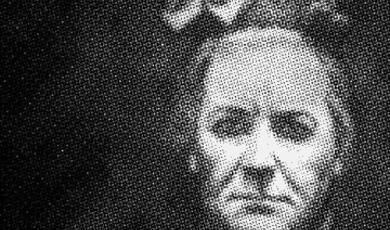
Amelia Dyer was one of the most prolific murderers in Victorian Britain. She made a living as a “baby farmer”, or someone paid to care for unwanted or abandoned infants – except she killed around 400 of them. How could a mother and nurse murder so many defenceless babies?
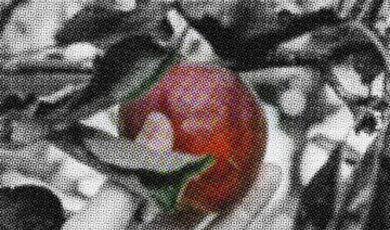
The Brothers Grimm’s tale of Snow White has been retold dozens of times in print and the cinema over the past two centuries. A central character is the Evil Queen, Snow White’s malevolent stepmother, who tries to kill her with the help of the occult.