Gresham College provides outstanding educational talks and videos for the public free of charge. There are over 2,500 videos available on our website. Your support will help us to encourage people's love of learning for many years to come.
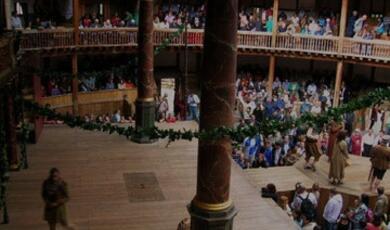
Leading actor and Shakespeare scholar Michael Pennington discusses the direct effect on the dramatist's writing of the theatres he wrote for, so different from ours.
Jonathan Bate will follow in the footsteps of the 18th-century inventors of the ‘picturesque’ and show how Wordsworth shaped the vision of his native region, leading to the foundation of the National Trust and the idea of a National Park.
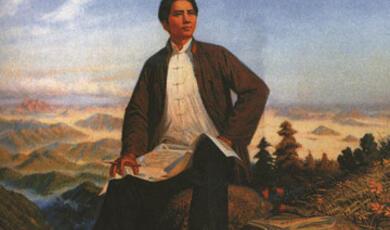
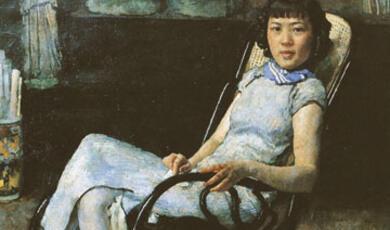
The establishment of the People’s Republic of China in 1949 gave Chinese artists a government that had explicit policies for the arts, seeing them as an essential part of the creation of ‘new China’.
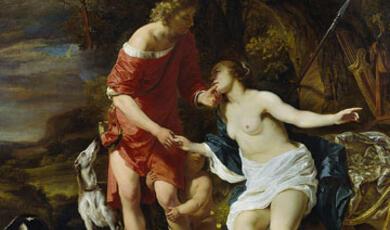
The Rape of Lucrece set the mould for Shakespeare’s exploration of the tragic consequences of sexual desire turning to violence. Jonathan Bate will show how Shakespeare developed these themes from his reading of the great Roman poet Ovid.
After the founding of the Chinese Communist Party in 1921, many artists and intellectuals in China saw the overthrow of ‘tradition’ as the means to rescue the nation from poverty and backwardness.
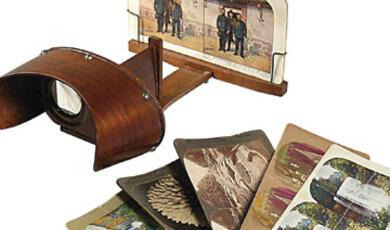
Stereoscopic photography rapidly became a worldwide craze after the Great Exhibition of 1851. Cheap viewers and mass-produced stereographs brought startlingly vivid images within reach of a mass audience, making this the form in which most people first encountered photography.
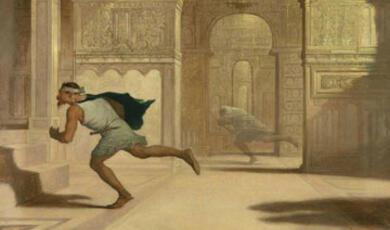
Starting with literary examples from Dickens, this lecture will untangle the complexity of shadow-meaning by exploring how artists have used shadows since ancient times.
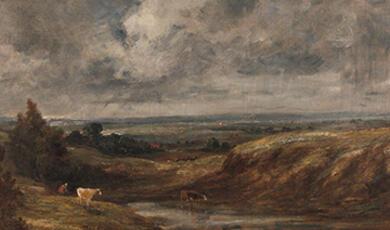
The late eighteenth and early nineteenth- century vogue for the Picturesque and for forging an English landscaping tradition (with frameable landscape scenery and managed wildness) will be the starting point for discussion.
The 1920s in China saw both the political chaos of warlordism, but also a flowering of creativity which drew on the keen awareness by many of China’s potential as part of a global modernism.


 Login
Login