Gresham College provides outstanding educational talks and videos for the public free of charge. There are over 2,500 videos available on our website. Your support will help us to encourage people's love of learning for many years to come.
This lecture reports on the findings of "The Independent Tribunal into Forced Organ Harvesting from Prisoners of Conscience in China" (June 2019), which examined reports of state-sponsored murder for the harvesting and sale of organs.
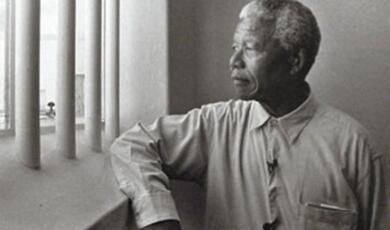
To mark the 100th anniversary of his birth, the legacy of Nelson Mandela (1918-2013), first president of democratic South Africa, will be considered - both within his country and in the wider world.
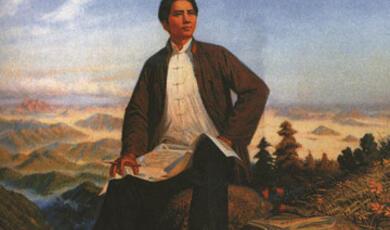
The establishment of the People’s Republic of China in 1949 gave Chinese artists a government that had explicit policies for the arts, seeing them as an essential part of the creation of ‘new China’.
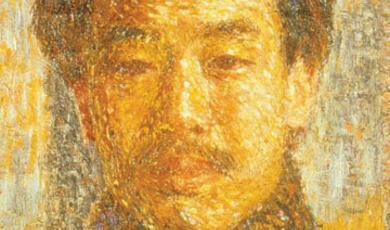
After the founding of the Chinese Communist Party in 1921, many artists and intellectuals in China saw the overthrow of ‘tradition’ as the means to rescue the nation from poverty and backwardness.
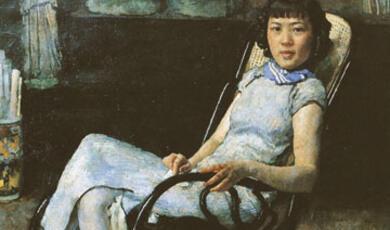
The 1920s in China saw both the political chaos of warlordism, but also a flowering of creativity which drew on the keen awareness by many of China’s potential as part of a global modernism.
South Africa’s Dutch Reformed Church (DRC) and the Afrikaner people it served had, since the 17th century drawn a distinction between white ‘Christians’ and the apparently unconvertible ‘heathen’ peoples around them. Theology legitimised apartheid, but was also instrumental in its end.