Gresham College provides outstanding educational talks and videos for the public free of charge. There are over 2,500 videos available on our website. Your support will help us to encourage people's love of learning for many years to come.
What can we learn from history about how deeply the internet could transform news in the 21st century? And how does it relate to broader social and economic trends?
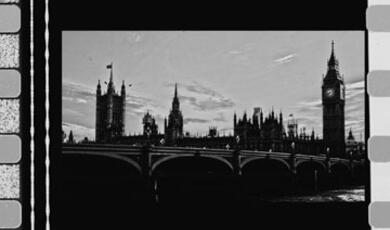
The earliest London-made films showed the Victorian city doing everyday business, before its fictional screen image became increasingly shadowy and sinister.
The media and medicine have different perspectives. This lecture will use examples of how the public may be misled and consider the implications of such misunderstanding.
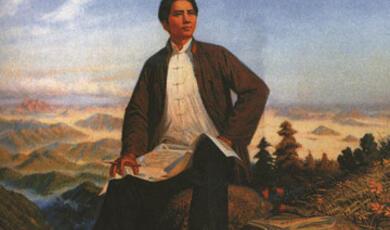
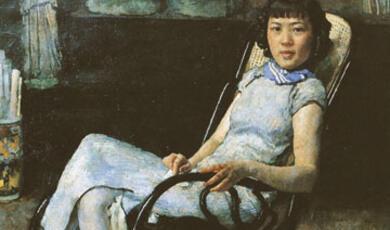
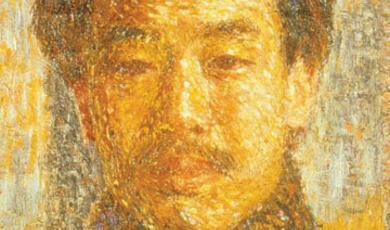
The establishment of the People’s Republic of China in 1949 gave Chinese artists a government that had explicit policies for the arts, seeing them as an essential part of the creation of ‘new China’.
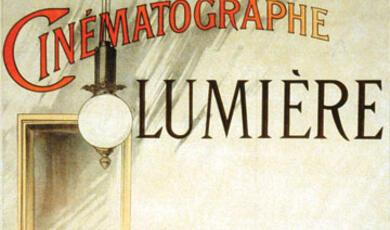
Moving pictures may not have been the innovation once claimed, but within a decade few could doubt that they had become a major force in changing the Edwardian world.
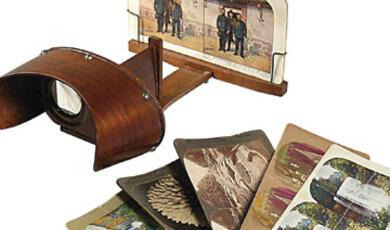
Stereoscopic photography rapidly became a worldwide craze after the Great Exhibition of 1851. Cheap viewers and mass-produced stereographs brought startlingly vivid images within reach of a mass audience, making this the form in which most people first encountered photography.

After the founding of the Chinese Communist Party in 1921, many artists and intellectuals in China saw the overthrow of ‘tradition’ as the means to rescue the nation from poverty and backwardness.
The 1920s in China saw both the political chaos of warlordism, but also a flowering of creativity which drew on the keen awareness by many of China’s potential as part of a global modernism.