Gresham College provides outstanding educational talks and videos for the public free of charge. There are over 2,500 videos available on our website. Your support will help us to encourage people's love of learning for many years to come.
This lecture looks at our changing understanding of ourselves, focussing on Charles Darwin’s theory of human origins and the religious, scientific and ethical questions raised.
A movement is emerging with the aim of developing Greater London as the world’s first National Park City. But is there any significant environmental advantage to this and would London benefit from becoming one?
Nick Lane will explore the importance of energy flow in shaping life from its very origins to the flamboyant complexity around us, and ask whether energy flow would direct evolution down a similar path on other planets.
We live in an information age, with vast amounts of data constantly sent around the world. This lecture will introduce you to the mathematics of information.
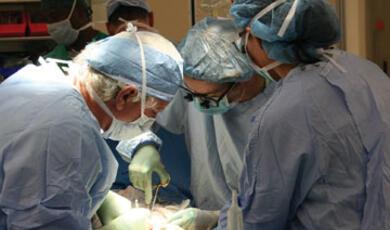
This week marks the 50th anniversary of the first human heart transplant. This talk will celebrate that achievement and consider what we have learned over those 50 years and what is to happen in the future.
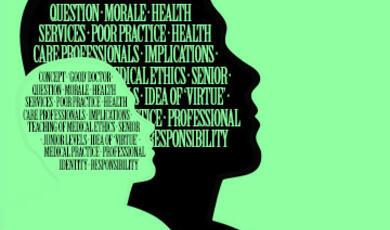
An exploration of the concept of the 'good' doctor, and how we can ensure that our doctors are 'good'. This question is crucial at time when morale in the health services appears low and inquiries reveal poor practice by some health care professionals.
Few people are lucky enough to save lives or change them for the better. Few also experience the horror of losing lives or worsening them. In this lecture I want to share some of the astonishing experiences of a paediatric heart surgeon.
Personal information is understood as the property of individuals, but this way of thinking about information raises questions about the ethics of information sharing, particularly in relation to medical research and the management of risk in healthcare.
Can we give a purely scientific account of human nature in terms of its physical, chemical and biological components. Richard Dawnkins' 'The Selfish Gene' is considered to see how a scientific narrative about selfish genes might correlate with a theological narrative about sin.

The lecture will cover the history of the western world as seen through the food that nourished builders for the Great Pyramids, free men of the Roman Empire, the expansion of Christianity, and the development of Europe.