Gresham College provides outstanding educational talks and videos for the public free of charge. There are over 2,500 videos available on our website. Your support will help us to encourage people's love of learning for many years to come.
With a global market approaching £70 billion, there’s a lot at stake. Including some ‘blind taste tests’, the environmental science evidence behind organic farming will be reviewed, exploring facts and debunking a few myths.
We will carefully outline the categories of savings held by households and link that to the operation of financial intermediaries in providing loanable funds.
Productivity growth in the UK economy has lagged behind that of our major trading partners. We will examine a number of possible explanations ranging from the role of finance to the employment of physical and human capital.
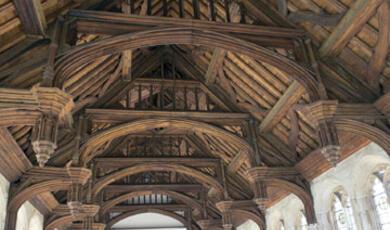
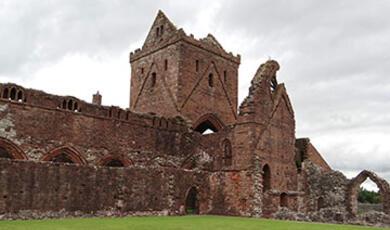
The first Conservation Areas were designated in 1967, today at the golden anniversary there are some 10,000 sites. The presentation will explore the origins, variety and some challenges for the future.
We need to think of economic policy as some path co-ordinating monetary, financial and fiscal policy. The economic landscape that has been outlined implies some new cyclical and structural economic policy options facing the UK. These concepts will be discussed in this final lecture of the year.
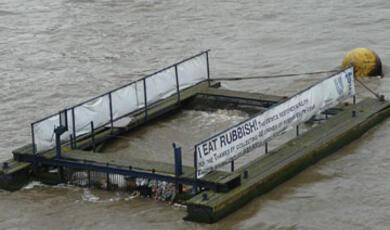
The advent of smart phones and GPS is increasingly allowing citizen observers of wildlife, ecology, air and water quality, and flooding, to enhance our understanding of environmental science. What opportunities exist for individuals to help to solve some of the most complex problems on Earth?
For most of the period since we have had records, the UK has held a positive net international investment positions versus the rest of the world. But the UK is now a net debtor. What are the reasons for this extraordinary reversal and what does it mean for the exchange rate?
The era of ‘megacities’ is already with us, and the pace of development is escalating. But what are the challenges of managing their living environments to ensure that they are fed, have water to drink, clean air to breathe, and can dispose of their waste? Is it a utopian or dystopian urban fut

In the long run, in an Internet society, it is claimed, we will neither need nor want doctors, teachers, accountants, architects, the clergy, consultants, lawyers, and many others, to work as they did in the 20th century. - Is this true?