Gresham College provides outstanding educational talks and videos for the public free of charge. There are over 2,500 videos available on our website. Your support will help us to encourage people's love of learning for many years to come.
The Liberal Party was formed in the 1850s and was the dominant force in British politics for the next 30 years. What is the explanation for the decline and subsequent revival of the party?
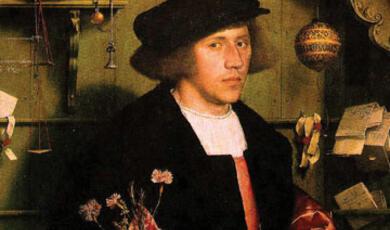
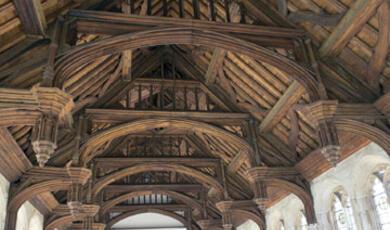
In the first of two lectures with the theme ‘Merchants, Money and Megalomania’, Simon Thurley will unearth the lost mercantile buildings of medieval London and show how influential they were.
We will carefully outline the categories of savings held by households and link that to the operation of financial intermediaries in providing loanable funds.
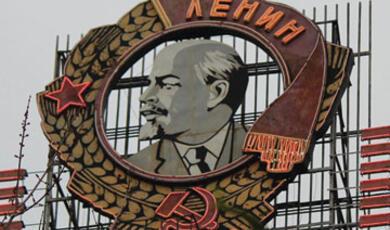
How, as a Marxist, did he justify the seizure of power and would the October Revolution have been possible without him? How in this centenary year, are these events being commemorated in Putin’s Russia?
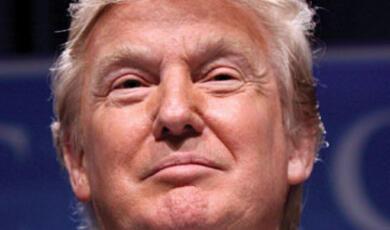
The US has a long history of populism, but no populist has won the nomination of a major party since William Jennings Bryan in 1896. In the past, populist insurgencies have heralded party realignment. Will the election of Trump do the same?
The Conservative Party is the oldest and one of the most successful political parties in the democratic world. It has been, for many years, the natural party of government. What is the secret of the party's extraordinary longevity and electoral success?

Productivity growth in the UK economy has lagged behind that of our major trading partners. We will examine a number of possible explanations ranging from the role of finance to the employment of physical and human capital.
We need to think of economic policy as some path co-ordinating monetary, financial and fiscal policy. The economic landscape that has been outlined implies some new cyclical and structural economic policy options facing the UK. These concepts will be discussed in this final lecture of the year.