Gresham College provides outstanding educational talks and videos for the public free of charge. There are over 2,500 videos available on our website. Your support will help us to encourage people's love of learning for many years to come.
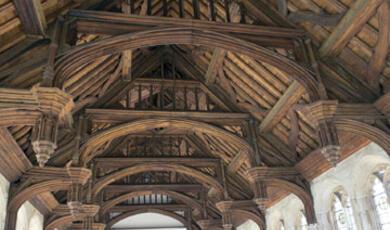
Simon Thurley, Visiting Professor of the Built Environment unearths the lost mercantile buildings of medieval London and shows how influential they were.
Catherine Roach uncovers what we learn from the romance story about today’s changing norms for gender and sexuality and about the nature of happiness and love.
In the first of two lectures with the theme ‘Merchants, Money and Megalomania’, Simon Thurley will unearth the lost mercantile buildings of medieval London and show how influential they were.
We will carefully outline the categories of savings held by households and link that to the operation of financial intermediaries in providing loanable funds.
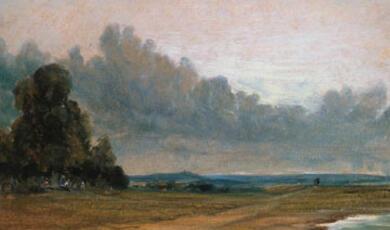
Constable's Stour landscapes of the Regency period, during and just after the War with France, and his publication English Landscape Scenery, champion local and low-key rural England.
Productivity growth in the UK economy has lagged behind that of our major trading partners. We will examine a number of possible explanations ranging from the role of finance to the employment of physical and human capital.
We need to think of economic policy as some path co-ordinating monetary, financial and fiscal policy. The economic landscape that has been outlined implies some new cyclical and structural economic policy options facing the UK. These concepts will be discussed in this final lecture of the year.

For most of the period since we have had records, the UK has held a positive net international investment positions versus the rest of the world. But the UK is now a net debtor. What are the reasons for this extraordinary reversal and what does it mean for the exchange rate?
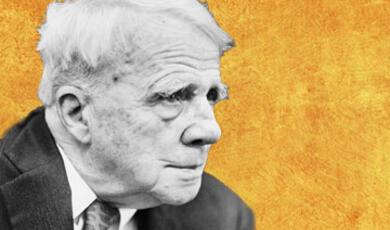
Frost's line, 'I found a dimpled spider... holding up a moth like a white piece of rigid satin cloth' exploits simile... But how can a moth be like cloth? -This is one of a number of examples that will be explored with a view to refining our understanding of smilie.
In the long run, in an Internet society, it is claimed, we will neither need nor want doctors, teachers, accountants, architects, the clergy, consultants, lawyers, and many others, to work as they did in the 20th century. - Is this true?