Gresham College provides outstanding educational talks and videos for the public free of charge. There are over 2,500 videos available on our website. Your support will help us to encourage people's love of learning for many years to come.
What do we mean when we refer to the State of Israel as 'the Jewish State'? What does it mean for the politics of the state to be identified as 'Jewish'? And what does it mean for an academic and intellectual field to study Israel as a Jewish state?
The screening of witnesses for anonymity in the context of inquests and public inquiries is hugely contentious. Why does putting witnesses behind a screen cause such concern for human rights and civil liberties advocates? What are protective measures? Has there been an increase in such applications?
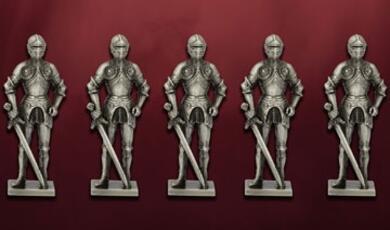
Were the Crusades an early example of European colonialism? What value did the crusading frontier hold for the knights who fought to defend it? What was the relationship between the Crusades and the knightly culture of chivalry?
What the NHS has provided and had to treat over its existence has changed much more radically than most people realise. Some of this change is rightly the domain of politics, but much is driven in response to changing health needs, improvements in medical science and priorities of society.
Has the time come for some form of political appointment of Supreme Court judges? Should there be parliamentary scrutiny of judicial appointments? This lecture contrasts the position of British and American Supreme Court judges.
Cyberwar is not waged on physical battlefields following rules of engagement. Aggressors worry less about collateral damage, in part because they aren’t forced to confront the sight of an enemy bleeding to death before their eyes.
We hear too often about sudden death in adults following prolonged and often unnecessary police restraint. What do people know about the dangers of restraint and how widespread is our understanding of such deaths?
Is there is a level playing field between participants at inquests? What does ‘equality of arms’ mean? Is such a concept appropriate when looking at inquests? Are inquiries better? How have they developed since the IRA Death on The Rock case?
How do we investigate violent and unexpected deaths at the inquest? Who investigates? When do deaths get referred to the Coroner? Are inquests non-adversarial and inquisitorial? When do you have a jury? What are findings, determinations and conclusions (aka verdicts)? Can you appeal?


 Login
Login