Gresham College provides outstanding educational talks and videos for the public free of charge. There are over 2,500 videos available on our website. Your support will help us to encourage people's love of learning for many years to come.
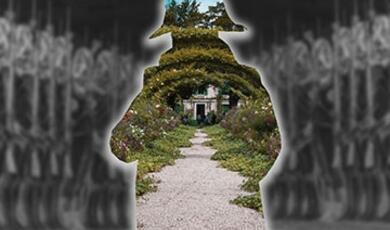
This lecture will explore Napoleon‘s life through his interactions with the natural world and a series of gardens that were important to him during the rise and fall of his power. The point of doing this is to approach his life from oblique angles, exploring material that is often overlooked.
Despite the controversy, evolution was widely accepted by many naturalists within a few years of the Origin’s appearance. An important reason for this rapid triumph was Darwin’s botanical works. Seen through evolutionary eyes, plants proved to be mobile, carnivorous, sensitive – even crafty.

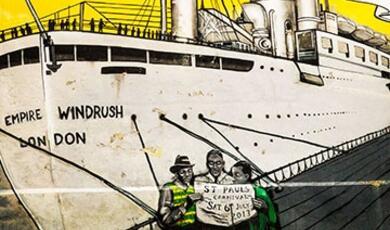
London in the 1950s and 60s was a crucible in which West Indian writers, artists, thinkers and scholars imagined new futures for the Caribbean, Britain and the world.
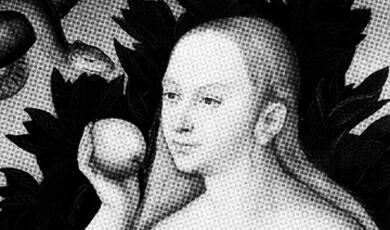
Eve was the original Evil Woman. She was tempted by Satan, introducing sin into the world. In turn, she seduced Adam, bringing the wrath of the Creator upon humanity for all eternity.
This lecture examines the work of Hugo de Vries, a Dutch botanist who was one of the first to claim that science would allow plants and animals to be designed to order.
The lecture will show how Prohibition animated combatants on both sides, generating two Americas that were barely comprehensible to each other, and how the truce declared during depression and war would not last.
The 2020 Annual Lord Mayor’s Gresham event will explore the value of culture for The City of London. The City of London is not only a great place to do business but also has a rich and vibrant cultural offer making it a great place to live, learn, work and visit.
Sydney’s botanic garden, founded in the early nineteenth century, was expected to ship new plants 'home' to the Royal Botanic Gardens, Kew, from where they could be transplanted to other colonial gardens, to see if they could become valuable new crops to enrich the British Empire.