Gresham College provides outstanding educational talks and videos for the public free of charge. There are over 2,500 videos available on our website. Your support will help us to encourage people's love of learning for many years to come.
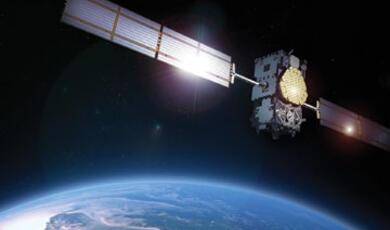
Space science is one of HM Government’s ‘eight great technologies’. In this lecture I will explain the mathematics behind satellites, showing how they are controlled, how they are sent to distant planets and how they transmit and receive data over vast distances.
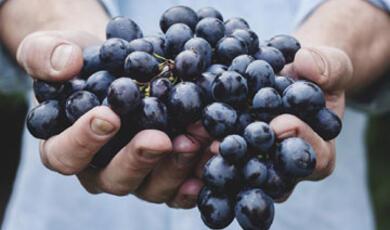
With a global market approaching £70 billion, there’s a lot at stake. Including some ‘blind taste tests’, the environmental science evidence behind organic farming will be reviewed, exploring facts and debunking a few myths.
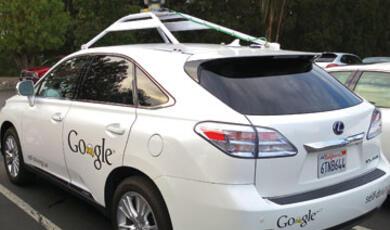
Driverless cars will affect us all profoundly. They will save many lives, destroy many livelihoods and change our behaviour in unexpected ways. What are the barriers to achieving the benefits of this new technology and how can they be overcome?
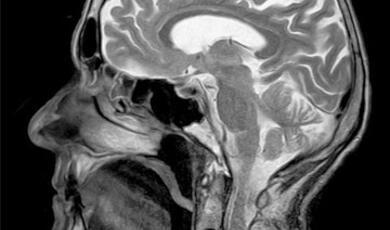
Many of us have been in a medical scanner and benefited from its use in medical diagnostics. But how many of us have considered how it works? The maths behind modern medical imaging (showing how CAT, MRI and Ultrasound scanners work) will be explained.
Alan Turing famously proposed a test of artificial intelligence. What has been achieved? Stephen Hawking has said that real artificial intelligence will mean the end of mankind. Is that a real threat? Are there limits to what a silicon brain might do?
The first Conservation Areas were designated in 1967, today at the golden anniversary there are some 10,000 sites. The presentation will explore the origins, variety and some challenges for the future.
The advent of smart phones and GPS is increasingly allowing citizen observers of wildlife, ecology, air and water quality, and flooding, to enhance our understanding of environmental science. What opportunities exist for individuals to help to solve some of the most complex problems on Earth?
The era of ‘megacities’ is already with us, and the pace of development is escalating. But what are the challenges of managing their living environments to ensure that they are fed, have water to drink, clean air to breathe, and can dispose of their waste? Is it a utopian or dystopian urban fut