Gresham College provides outstanding educational talks and videos for the public free of charge. There are over 2,500 videos available on our website. Your support will help us to encourage people's love of learning for many years to come.
With a global market approaching £70 billion, there’s a lot at stake. Including some ‘blind taste tests’, the environmental science evidence behind organic farming will be reviewed, exploring facts and debunking a few myths.
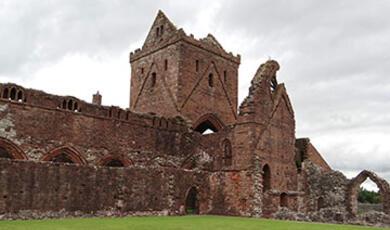
The first Conservation Areas were designated in 1967, today at the golden anniversary there are some 10,000 sites. The presentation will explore the origins, variety and some challenges for the future.
The advent of smart phones and GPS is increasingly allowing citizen observers of wildlife, ecology, air and water quality, and flooding, to enhance our understanding of environmental science. What opportunities exist for individuals to help to solve some of the most complex problems on Earth?
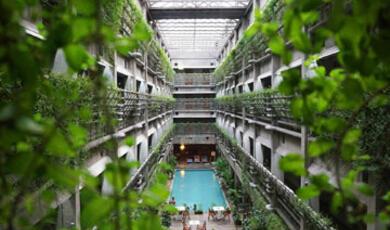
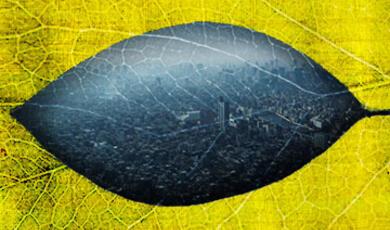
The era of ‘megacities’ is already with us, and the pace of development is escalating. But what are the challenges of managing their living environments to ensure that they are fed, have water to drink, clean air to breathe, and can dispose of their waste? Is it a utopian or dystopian urban fut
The lecture will cover the history of the western world as seen through the food that nourished builders for the Great Pyramids, free men of the Roman Empire, the expansion of Christianity, and the development of Europe.
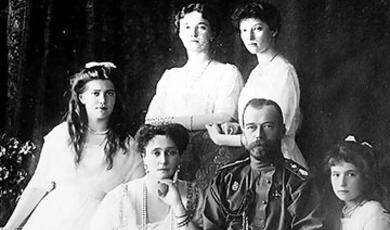
To mark the anniversary of the Russian Revolution, the dilemmas of modern empire and monarchy will be discussed, firstly in general terms and then specifically in terms of Russia.
What happens when power, communications, and transport are all disrupted, when shops cannot function, and when most people cannot find out what is happening? Storm Desmond in 2015 revealed how dependent on electricity modern city life has become. What lessons have been learnt?

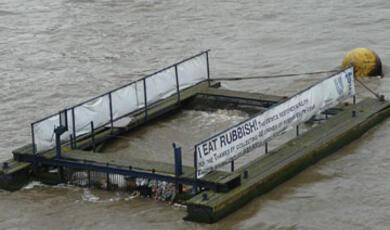
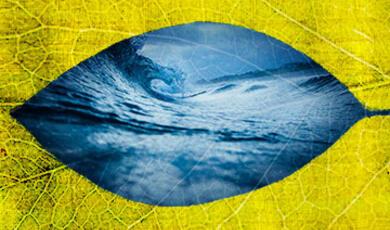
Scientists are now finding increasing evidence of the terrible extent of human-induced damage of the sea. What attempts are being made to reduce this footprint of human activity, and can they succeed in restoring the largest living space on earth?