Gresham College provides outstanding educational talks and videos for the public free of charge. There are over 2,500 videos available on our website. Your support will help us to encourage people's love of learning for many years to come.
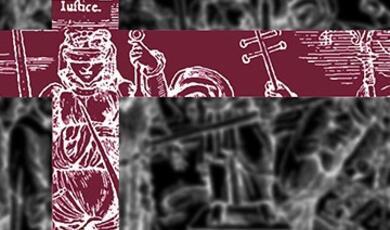
The English Reformation – unlike many of the other Reformations convulsing sixteenth-century Europe – was at heart more about politics and law than about religion.
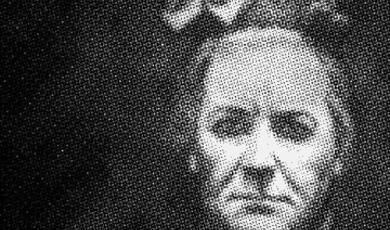
Amelia Dyer was one of the most prolific murderers in Victorian Britain. She made a living as a “baby farmer”, or someone paid to care for unwanted or abandoned infants – except she killed around 400 of them. How could a mother and nurse murder so many defenceless babies?
Most English people initially saw the Reformation as an unexpected catastrophe, wrenching their religious lives out of shape, and stripping their communities of resources they had naively believed belonged to them.
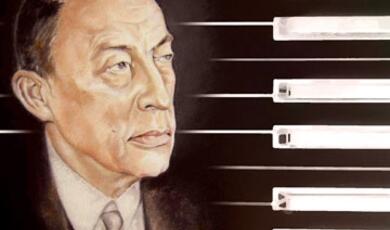
Rachmaninov is considered by many to be the greatest composer-pianist in history. But his very popularity has left the complexity and subtlety of his music underappreciated.
The Brothers Grimm’s tale of Snow White has been retold dozens of times in print and the cinema over the past two centuries. A central character is the Evil Queen, Snow White’s malevolent stepmother, who tries to kill her with the help of the occult.
Charles Edward Stuart (‘Bonnie Prince Charlie’) is one of the most recognisable and romanticised figures of British history. Born in Rome as a Catholic prince on 31 December 1720, he led the Jacobite Rising of 1745, which came closer than anyone expected to changing Great Britain irrevocably.
Eve was the original Evil Woman. She was tempted by Satan, introducing sin into the world. In turn, she seduced Adam, bringing the wrath of the Creator upon humanity for all eternity.
Musorgsky was a proficient, but not virtuosic pianist, and most of his piano music is comprised of unambitious salon pieces. On the basis of these modest exploits, no one could have predicted his Pictures at an Exhibition.
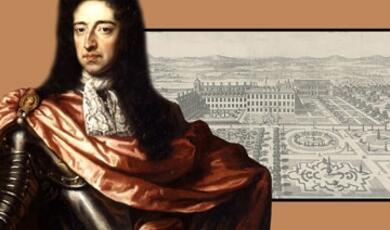
Like James I, King William III was fundamentally unhappy with the stuffy formality of England’s vast crumbling royal estate. But unlike James, who virtually abandoned Edinburgh, William maintained a second court, and a parallel suite of royal houses, in the Netherlands.