Gresham College provides outstanding educational talks and videos for the public free of charge. There are over 2,500 videos available on our website. Your support will help us to encourage people's love of learning for many years to come.
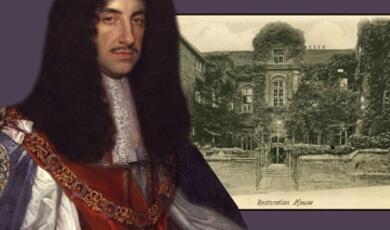
For a decade after the execution of Charles I the Stuart courts were based in the Low Countries and France. Always short of money, but determined to maintain splendour and dignity, Charles II rented a series of mansions and used them as the headquarters of the exiled monarchy.
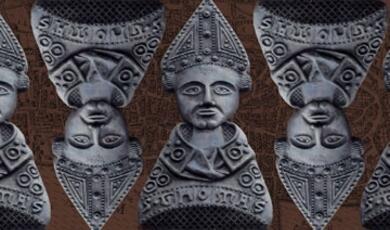
This lecture will explore how the influence of Thomas Becket permeated city life in medieval London until Henry VIII ordered the destruction of his shrine and the removal of his name from all liturgical books.
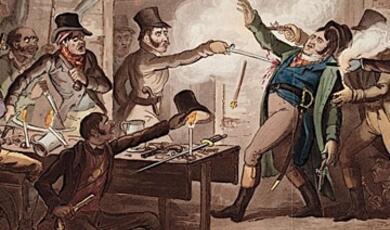
The lecture discusses their identities, motives and impact, and the forgotten fact that their failure ended British revolutionary fantasies for a century.
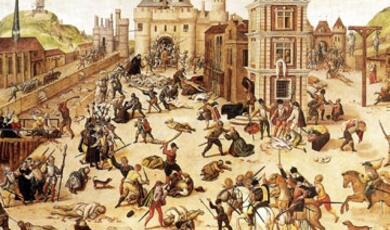
Europe’s Wars of Religion were fought against entire populations, and were punctuated by events remembered as atrocities: such as the siege of Leiden in 1573-4 or, most notoriously, the St Bartholomew’s Day Massacres in France in 1572.
The myth of Santa Claus has been translated into an extraordinary market on a global scale. But how did this marketing success materialise? How did Finland become the home of Christmas?
Medieval England was proudly Catholic and ostentatiously loyal to Rome. But from the late sixteenth century until recent times – and even now – anti-Catholic prejudice has been a cornerstone of English and British identity.
During the Civil War Charles I’s court, denied access to its usual country residences, was forced to set itself up in a series of makeshift locations. The most important of these was Oxford which Charles converted into a large and well-organised courtly campus.

This lecture will survey this ‘black legend’ and ask what made it so enduring – and why some parts of the story, such as the Inquisition’s genocidal campaign against Spanish Jews, received so much less attention than others.
Architecturally incoherent these places may have been, but James’s remarkable forgotten country houses tell us a huge amount about the man and the dawn of the Stuart age.