Gresham College provides outstanding educational talks and videos for the public free of charge. There are over 2,500 videos available on our website. Your support will help us to encourage people's love of learning for many years to come.
The Labour Party was formed in 1900 as a coalition between trade unions and socialist intellectuals with the aim of securing representation for the working class in parliament.
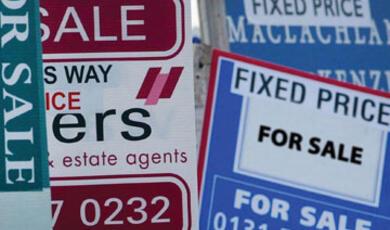
Housing represents the main asset class held by UK households and we shall try to understand why it is held as such a large share of assets. We shall then outline whether this choice has other knock on effects in the economy such as labour and social mobility.
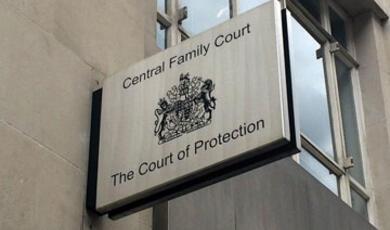
What do judges do in the Family Court? Follow me through a virtual week as a Roving Judge. Learn what goes on behind the scenes: how the family court room works and who is needed to make it work.
What did the sky-watchers of the ancient world think about the night sky, and its implications for human existence? Moving on to the great discoveries of Copernicus, Kepler, and Galileo, we will consider the basic science and ask about the deeper significance of these discoveries.

We will carefully outline the categories of savings held by households and link that to the operation of financial intermediaries in providing loanable funds.
The US has a long history of populism, but no populist has won the nomination of a major party since William Jennings Bryan in 1896. In the past, populist insurgencies have heralded party realignment. Will the election of Trump do the same?
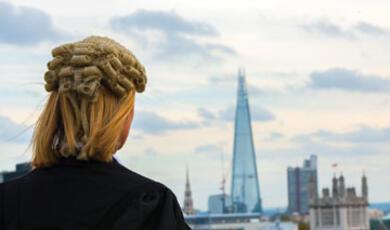
The times they are a-changing - or are they? Do female lawyers need to be Superwoman to survive? This lecture will explore the reality of life at the Bar and why vocation matters.
A dialogue with Philip Pullman's complex 'Dark Materials' trilogy which provides a framework for discussing how human beings relate to the material world, and the origin of evil.
This lecture will explore vulnerable parties and children in the Family Court, especially where the common denominator is frequently one of poverty - in education, income and expectations. How can a court deliver a fair system to the most vulnerable?