Gresham College provides outstanding educational talks and videos for the public free of charge. There are over 2,500 videos available on our website. Your support will help us to encourage people's love of learning for many years to come.
The criminalisation of religious speech before the ordinary courts in England began in 1676. Although the law on blasphemy was finally abolished in 2008, many of the troubling aspects of the old law remain in the form of the offence of incitement to religious hatred.
Food-related conditions – cancer, heart disease, and strokes – are the leading causes of preventable deaths in the UK. Common wisdom is that health reflects personal choices and will power.
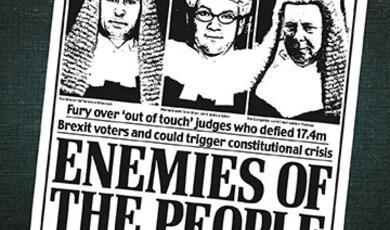
In the wake of the decision in the parliamentary prorogation case Miller (No.2), the question of the politics of the judiciary has been thrust into the public eye. Was it “a constitutional coup” as some have claimed?
Spying for Queen Elizabeth I was very different from modern-day intelligence services - or was it? This lecture brings together historian Stephen Alford and Sir Richard Dearlove, former head of MI6, and will discuss Tudor spies and the modern-day secret service.
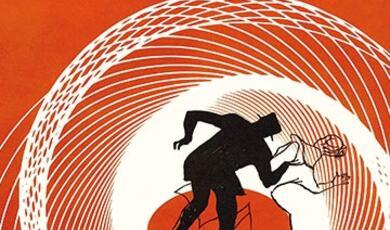
Cinema’s original canons were based on a small number of works most highly esteemed by archivists and historians. But access to the history of film has been dramatically expanded by digital media, as have debates between those arguing from different premises.
We hear too often about sudden death in adults following prolonged and often unnecessary police restraint. What do people know about the dangers of restraint and how widespread is our understanding of such deaths?
Canons of taste and value in other media, such as literature, art and music, have been challenged in recent decades by proponents of sexual and ethnic equality.
Is there is a level playing field between participants at inquests? What does ‘equality of arms’ mean? Is such a concept appropriate when looking at inquests? Are inquiries better? How have they developed since the IRA Death on The Rock case?
For nearly seventy years, what might be called ‘the canon’ of greatest films has been arbitrated by an international poll of critics delivering a ‘ten best’ list every decade, published in the BFI’s Sight & Sound.


 Login
Login