Gresham College provides outstanding educational talks and videos for the public free of charge. There are over 2,500 videos available on our website. Your support will help us to encourage people's love of learning for many years to come.
Do the courts respect diversity or punish it when it comes to parenthood? What disabilities does it encounter? How can the learning disabled parent ensure their voice is heard in court?
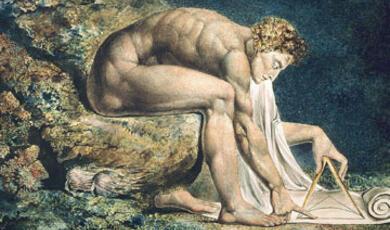
Isaac Newton saw his demonstration of the regularity of the universe as having great religious significance. Newton’s ideas were initially seen as very supportive of religion; yet within 50 years, they were being seen in a very different light.
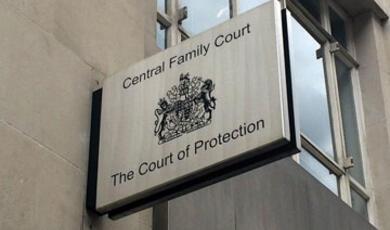
What do judges do in the Family Court? Follow me through a virtual week as a Roving Judge. Learn what goes on behind the scenes: how the family court room works and who is needed to make it work.
The lecture will explore what we know (and don’t know) about sexual violence from a global perspective. How have people in different periods of history and in a variety of countries understood and responded to assaults?
What did the sky-watchers of the ancient world think about the night sky, and its implications for human existence? Moving on to the great discoveries of Copernicus, Kepler, and Galileo, we will consider the basic science and ask about the deeper significance of these discoveries.
Sir Geoffrey will be revisiting some of his key themes in the light of some changes that have taken place across the world since - and to offer his personal view.
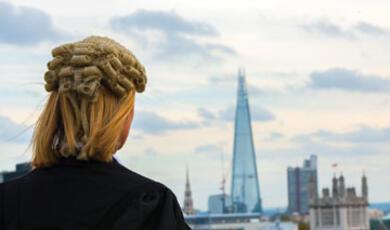
The times they are a-changing - or are they? Do female lawyers need to be Superwoman to survive? This lecture will explore the reality of life at the Bar and why vocation matters.
Helena Ann Kennedy, Baroness Kennedy of The Shaws, QC, is a British barrister, broadcaster, and Labour member of the House of Lords. She will be speaking on legal issues of topical interest.
A dialogue with Philip Pullman's complex 'Dark Materials' trilogy which provides a framework for discussing how human beings relate to the material world, and the origin of evil.


 Login
Login