Gresham College provides outstanding educational talks and videos for the public free of charge. There are over 2,500 videos available on our website. Your support will help us to encourage people's love of learning for many years to come.
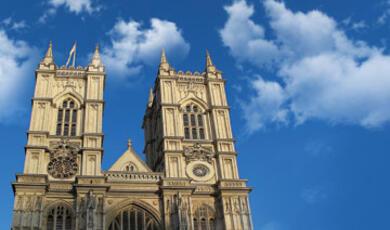
Bishop Richard Chartres will present a survey in five acts of the history of London's faith communities, with a word about their prospects in the 21st century.
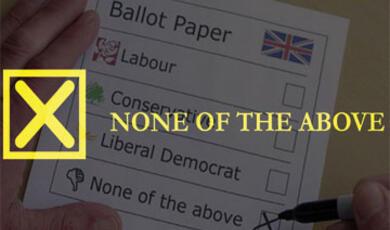
Between 1951 and 1959, over 95% of voters supported the two major parties. Since 1983, fewer than 80% have voted Conservative or Labour. How is the decline of the two party system to be explained?
Simon Lancaster believes that the successful speechwriter is less of a puppeteer and more of an impressionist. In his talk, he will share a number of stories and anecdotes from his time as speechwriter.
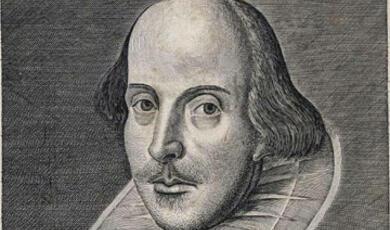
This final lecture will show how Shakespeare helped to immortalize the famous figures of ancient Greece and Rome, and how he in turn became famous after his death.
Recent psychological research has looked at the importance of meaning to human beings, and how this works out in core questions about the relation of science and faith.
Professor Tallis seeks to rescue time from the jaws of physics, examining the claims that time is merely the fourth dimension of space-time, that there is a ‘passage’ of time or that time has a direction or arrow.
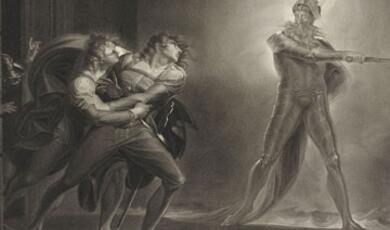
In this lecture, Jonathan Bate will summon up the ghosts of Old Hamlet, the victims of Richard III and Julius Caesar, revealing their origins in the bloody plays of Seneca.
The lecture asks how the ancient fables address power relations in a slave society. Were they primarily stories for and by slaves, or did they serve ruling-class interests?
Starting with literary examples from Dickens, this lecture will untangle the complexity of shadow-meaning by exploring how artists have used shadows since ancient times.


 Login
Login