Gresham College provides outstanding educational talks and videos for the public free of charge. There are over 2,500 videos available on our website. Your support will help us to encourage people's love of learning for many years to come.
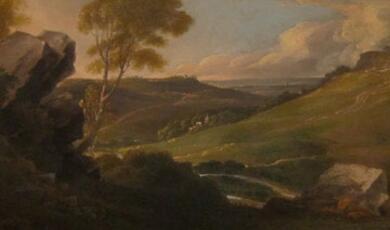
In the first of a series of lectures on English Romanticism, Jonathan Bate will go on a journey from the Scottish Highlands to a teenage suicide in London to the Geneva of Jean-Jacques Rousseau, in search of the origins of Romanticism.
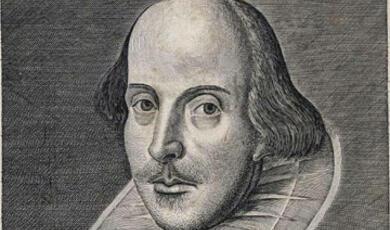
This final lecture will show how Shakespeare helped to immortalize the famous figures of ancient Greece and Rome, and how he in turn became famous after his death.
There are large disparities in economic performance at the regional level in the UK. We need to consider what kinds of policies might raise regional performance and the extent which directed industrial policies and infrastructure spending might be employed to iron out differences.
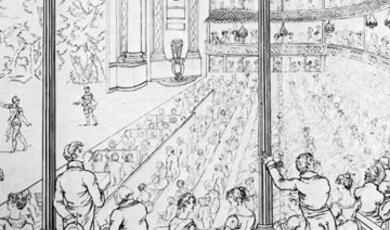
London is home to two of the oldest working theatres in the world both founded by Charles II’s patents. Professor Thurley looks at the significance and impact of these great institutions on the development of London.
There are green marketing scams, and dubious data being deployed to benefit shareholders. Are global businesses now leading politicians in moving towards more sustainable practice or is this an example of a ‘post-truth’ society?
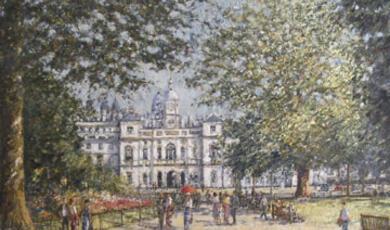
Based on new research into the origins of St. James’s, Simon Thurley looks into the ingredients that went into making a court quarter there and the way it formed a blueprint for the new West End of London.
Housing represents the main asset class held by UK households and we shall try to understand why it is held as such a large share of assets. We shall then outline whether this choice has other knock on effects in the economy such as labour and social mobility.
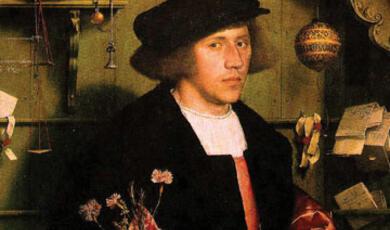
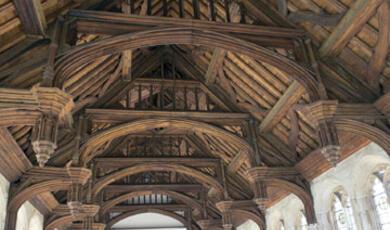
Simon Thurley, Visiting Professor of the Built Environment unearths the lost mercantile buildings of medieval London and shows how influential they were.
In the first of two lectures with the theme ‘Merchants, Money and Megalomania’, Simon Thurley will unearth the lost mercantile buildings of medieval London and show how influential they were.


 Login
Login